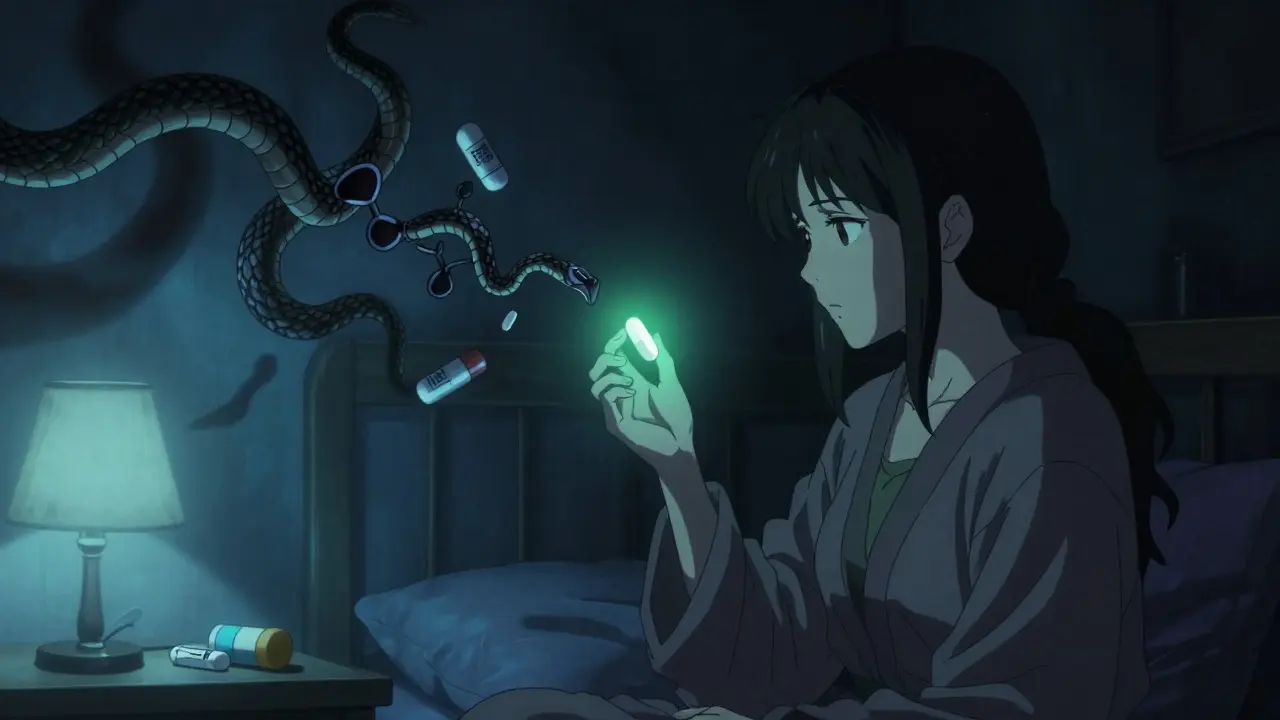
Buying medicine online sounds easy. You type in the name of your prescription, click buy, and it shows up at your door. No waiting. No pharmacy lines. But what if that pill isn’t what it claims to be?
Every day, thousands of people in the UK, the US, and around the world order pills from websites that look real - clean design, professional logos, fake certifications - but are run by criminals. These aren’t shady back-alley dealers. They’re sophisticated networks operating from countries like India, China, and the Dominican Republic, selling fake versions of everything from Viagra and Adderall to insulin and cancer drugs. And the consequences aren’t just financial. They’re deadly.
What exactly are counterfeit meds?
Counterfeit medications look identical to the real thing - same color, same shape, same branding. But inside? Anything goes. Some contain no active ingredient at all. Others have too little, too much, or the wrong drug entirely. In the worst cases, they’re laced with fentanyl, methamphetamine, or industrial chemicals. The Pharmaceutical Security Institute found that in 2024, criminals targeted 638 specific medicines across 16 therapeutic areas, including life-saving treatments for diabetes, cancer, and heart disease.
One real case from the U.S. Drug Enforcement Administration (DEA) involved a woman who ordered what she thought was oxycodone. She received a pill made with fentanyl. She took it. She died within days. That’s not an outlier. It’s a pattern. The DEA issued a public safety alert in October 2024 warning that fake pills containing fentanyl are now the leading cause of drug overdose deaths among people who don’t even use street drugs.
How do these fake pharmacies even exist?
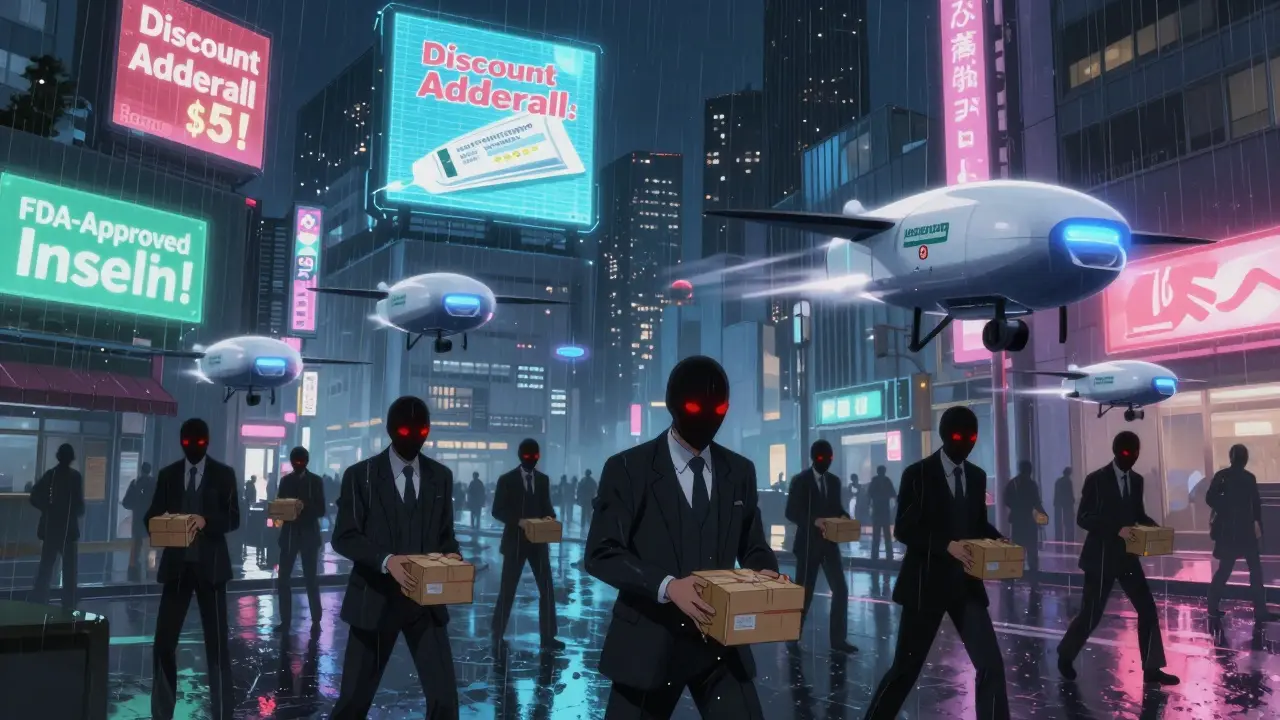
Nearly 95% of websites selling prescription drugs online are illegal, according to the National Association of Boards of Pharmacy. These sites use U.S.-based domain names, fake pharmacy licenses, and even cloned logos from real pharmacies to trick you. They show up in Google searches because they pay for ads. They pop up on Instagram and TikTok with ads promising “discounted Adderall” or “weight-loss injections for $50.”
They’re not just selling pills. They’re stealing your identity. Many ask for your Social Security number, bank details, or prescription info - data that ends up on the dark web. Some don’t even ship you anything. You pay, and the website vanishes.
And they’re growing fast. The Alliance for Safe Online Pharmacies says 20 new illegal pharmacy sites launch every single day. In 2025, Interpol’s Operation Pangea XVI shut down 13,000 websites, seized over 50 million doses of fake meds, and arrested 769 people across 90 countries. That’s just what they found. There are thousands more still operating.
Why are fake drugs so dangerous?
It’s not just about getting ripped off. It’s about your life.
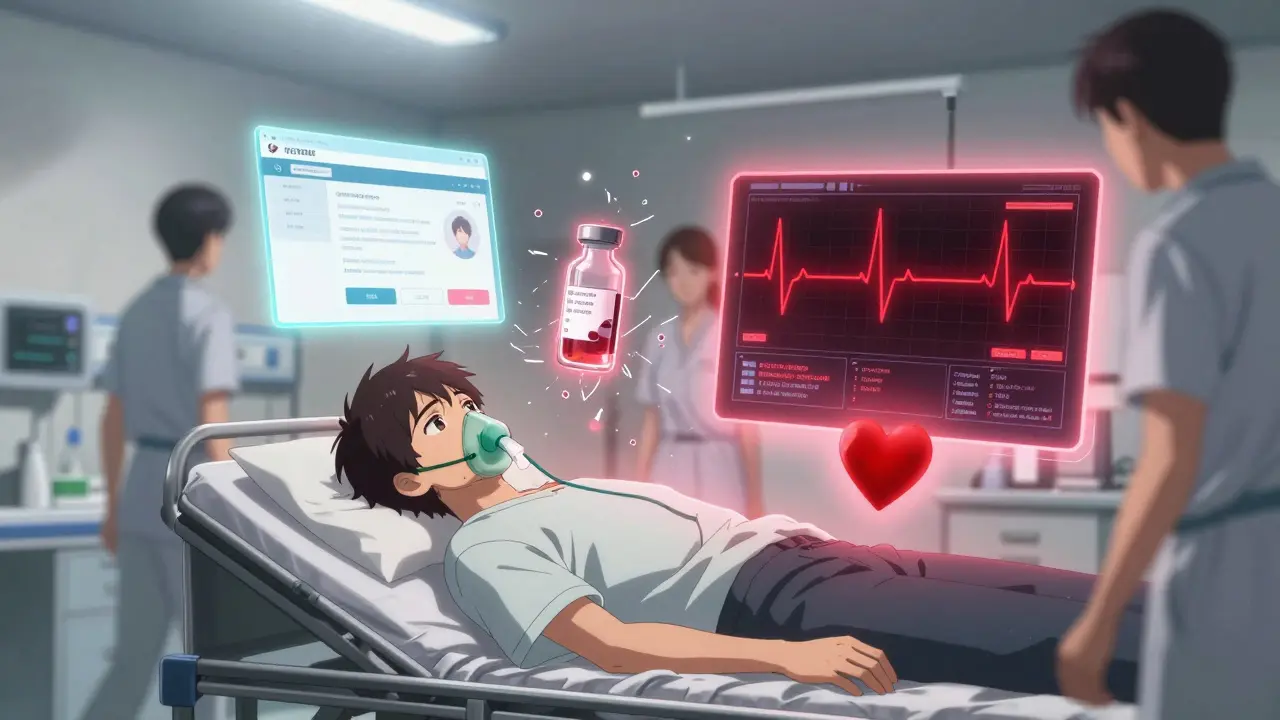
Take diabetes. Someone with Type 2 buys fake insulin online to save money. The pill has no insulin. Their blood sugar spikes. They end up in the hospital. Or worse.
Or cancer. A patient buys a counterfeit version of a biologic drug. The active ingredient is missing. The tumor keeps growing. Treatment fails. The patient dies.
And then there’s fentanyl. A single counterfeit pill can contain a lethal dose - enough to kill an adult in minutes. You don’t need to be a drug user. You just need to believe you’re taking a legitimate painkiller or anxiety pill. That’s what makes this so deadly. These fake pills are designed to look like Oxycodone, Xanax, or Adderall. They’re sold as “safe,” “prescription-grade,” or “FDA-approved.” They’re not.
Even if the pill isn’t lethal, it might be contaminated. One man in Bristol bought fake Viagra online. The pills dissolved in water - a sign of poor binding agents. He developed a severe allergic reaction. He spent three days in the hospital.
How to spot a fake online pharmacy
Here’s what real pharmacies do:
- Require a valid prescription from a licensed doctor
- Have a physical address and phone number you can call
- Are licensed by your country’s health regulator (like the UK’s GPhC or the US’s FDA)
- Have a licensed pharmacist available to answer questions
Here’s what fake ones do:
- Sell prescription drugs without a prescription - that’s illegal
- Use “.pharmacy” or “.med” domains - but these can be faked too
- Offer “discounts” that are too good to be true - $5 for a month’s supply of insulin? No.
- Only accept cryptocurrency or wire transfers - no credit cards, no chargebacks
- Have no contact info or a PO box as their “address”
Use PharmacyChecker.com or the National Association of Boards of Pharmacy’s Verified Internet Pharmacy Practice Sites (VIPPS) program to check if a site is legitimate. If it’s not on the list, assume it’s dangerous.
What’s driving this crisis?
People buy fake meds because they’re cheaper. Or faster. Or easier. A semaglutide pen - used for weight loss - can cost over $1,000 at a real pharmacy. Online, it’s $80. But that $80 pen might contain nothing but sugar and coloring. Or worse, fentanyl.
Social media plays a huge role. Influencers promote “miracle weight-loss pills” or “Adderall alternatives.” People click. They buy. They don’t realize they’re feeding a criminal industry.
Weak regulation in some countries lets these operations run freely. And because most shipments come in small packages through the mail, customs rarely catch them. The OECD says 65% of counterfeit medicines are shipped this way.
It’s not just about money. It’s about desperation. People without insurance, with high co-pays, or who are ashamed to ask for help turn to the internet. Criminals know this. They exploit it.
What happens if you buy from a fake pharmacy?
Three things:
- You might get sick or die
- You’ll lose your money - and your personal data
- You’ll waste time - and possibly your health
There’s no refund. No recourse. No police investigation that will bring back your medication. You’re on your own.
One woman in Manchester ordered fake Adderall to help with focus at work. The pills made her heart race. She had panic attacks. She thought she was having a heart attack. She went to the ER. The doctor asked if she’d taken anything new. She said yes - the pills she bought online. The ER staff recognized the packaging from a recent Interpol alert. She was lucky. She lived.
Another man in Birmingham bought fake insulin. He didn’t know it was fake until his blood sugar crashed. He passed out at work. His employer had to call an ambulance. He missed three weeks of work. His insurance refused to cover the ER visit because he used an unlicensed pharmacy.
What should you do instead?
If you need medication, go to a licensed pharmacy. If you can’t afford it, ask your doctor about patient assistance programs. Many drugmakers offer free or discounted meds to people who qualify. The NHS in the UK has a Prescription Prepayment Certificate that caps your costs at £111.60 a year - less than £2 a week.
If you’re buying over-the-counter meds online, stick to well-known retailers like Boots, Superdrug, or Amazon Pharmacy (UK). Check their license. Look for the GPhC logo. Call them if you’re unsure.
And if you’ve already bought from a fake site - stop. Don’t take any more pills. Save the packaging. Report it. In the UK, contact the Medicines and Healthcare products Regulatory Agency (MHRA) through their Yellow Card scheme. In the US, report to the FDA’s MedWatch program. Your report helps shut these sites down.
It’s not worth the risk
There’s no safe way to buy prescription drugs from an unlicensed online pharmacy. No exception. No loophole. No “I only bought once.”
Counterfeit meds are not a victimless crime. They’re a public health emergency. Every fake pill sold is a potential death sentence. Every website that looks real is a trap. Every dollar you spend on these sites funds organized crime - not your health.
Real medicine saves lives. Fake medicine ends them.
How can I tell if an online pharmacy is real?
Look for a physical address and phone number you can call. Check if the pharmacy requires a valid prescription. Verify it’s licensed by your country’s regulator - in the UK, that’s the GPhC. Use trusted tools like PharmacyChecker.com or the VIPPS list in the US. If it offers drugs without a prescription, it’s fake.
Can fake pills really kill you?
Yes. Many counterfeit pills contain fentanyl - a synthetic opioid 50 times stronger than heroin. A single pill can be lethal. Even pills sold as Adderall, Xanax, or oxycodone have been found to contain nothing but fentanyl. The DEA has confirmed dozens of deaths linked to fake pills bought online.
Why are counterfeit drugs so common online?
Because it’s profitable and hard to stop. Criminals use fake websites, social media ads, and small parcel shipping to avoid detection. Demand is high - especially for weight-loss drugs like semaglutide and painkillers like oxycodone. With nearly 95% of online pharmacies operating illegally, it’s easy to stumble into one.
What should I do if I bought fake medicine?
Stop taking the pills immediately. Save the packaging and any receipts. Report it to your country’s health regulator - in the UK, use the MHRA’s Yellow Card system. If you feel unwell, go to the hospital and tell them you took medication bought online. Your report helps authorities track and shut down these operations.
Are there affordable alternatives to buying meds online?
Yes. In the UK, the NHS offers Prescription Prepayment Certificates for £111.60 a year - covering all your prescriptions. Many drug manufacturers also have patient assistance programs that give free or low-cost meds to those who qualify. Talk to your doctor or pharmacist - they can help you find legal, safe options.


Art Van Gelder
December 23, 2025 AT 06:11