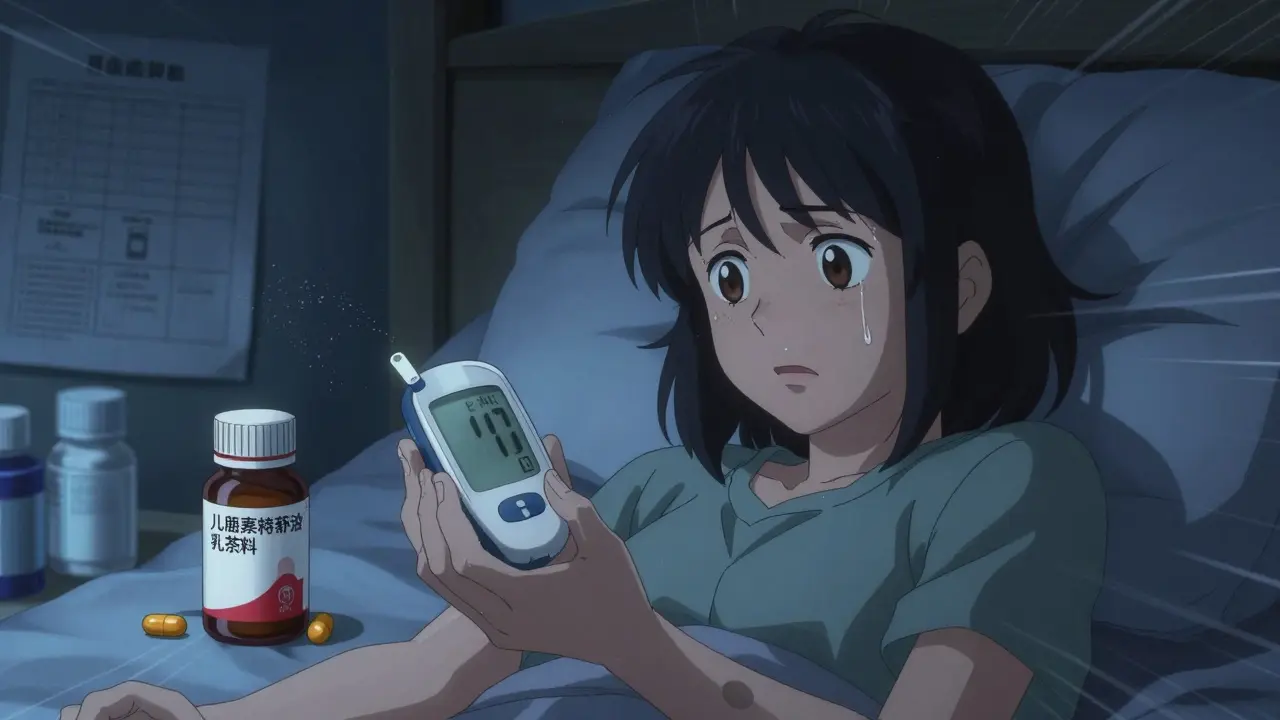
Ginseng-Diabetes Medication Interaction Calculator
This calculator estimates the potential blood sugar drop when combining ginseng with your current diabetes medications. Based on research showing ginseng can lower blood sugar by up to 0.71 mmol/L (3g daily dose), this tool helps you understand your risk of hypoglycemia.
Estimated Blood Sugar Drop
-- mmol/L
-- mmol/L
When you’re managing type 2 diabetes, every supplement you take matters. Even something as natural as ginseng can change how your medications work-and not always in a good way. If you’re taking insulin, metformin, or other blood sugar-lowering drugs, adding ginseng without monitoring could push your glucose too low. This isn’t theory. It’s documented in medical guidelines and real-world studies.
How Ginseng Affects Blood Sugar
Ginseng, especially Asian ginseng (Panax ginseng) and American ginseng (Panax quinquefolius), contains active compounds called ginsenosides. These aren’t just herbal flavorings-they directly influence how your body handles glucose. Research shows ginseng helps the pancreas release insulin more efficiently, improves how cells absorb sugar from the blood, and reduces insulin resistance. One 12-week study with 74 people with type 2 diabetes found that taking 3 grams of American ginseng daily lowered fasting blood sugar by 0.71 mmol/L compared to a placebo. That’s a measurable drop, not a placebo effect.
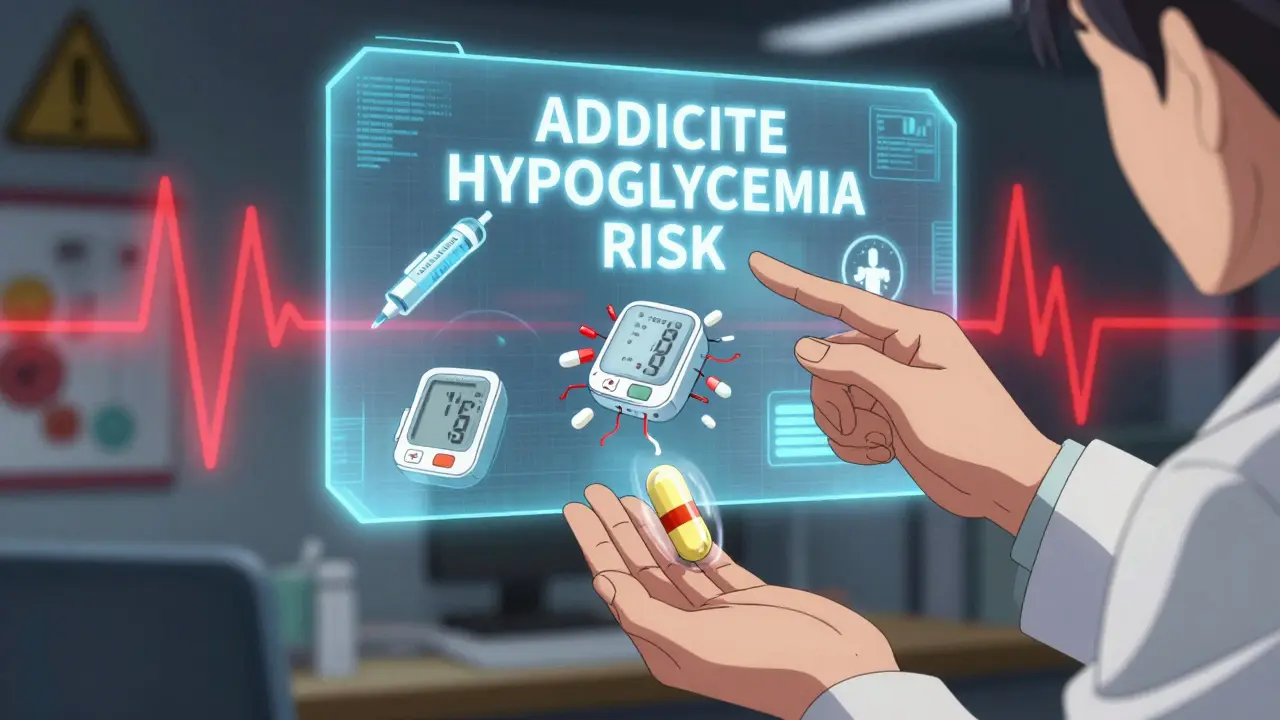
But here’s the catch: if you’re already on diabetes medication, this extra boost can be dangerous. Ginseng doesn’t just work on its own-it works with your pills. That means your blood sugar can drop faster and lower than expected. It’s like turning up the volume on a song you’re already listening to. The result? Hypoglycemia.
Which Diabetes Medications Interact With Ginseng?
Ginseng doesn’t pick and choose. It interacts with nearly all common diabetes drugs. That includes:
- Insulin (both long- and short-acting)
- Metformin
- Sulfonylureas like glimepiride and glyburide
- Thiazolidinediones like pioglitazone
- DPP-4 inhibitors like sitagliptin
- GLP-1 agonists like semaglutide
The Merck Manual and WebMD both warn that ginseng can cause additive hypoglycemia-meaning your meds and the supplement team up to drop your sugar too far. One study of 94 patients found no serious side effects when ginseng was added to their regimen, but only because they were closely monitored. Without that watchfulness, the risk spikes.
And it’s not just about blood sugar. Ginseng can also interfere with blood thinners like aspirin or warfarin, and even affect liver enzymes that break down other medications. If you’re taking multiple prescriptions-which many diabetics do-ginseng adds another layer of complexity you can’t afford to ignore.
What Does the Research Really Say?
Yes, ginseng shows promise. But don’t let the word “natural” fool you. The evidence isn’t strong enough to call it a treatment. Most studies have been small-between 23 and 94 people-and lasted only 4 to 12 weeks. The American Academy of Family Physicians called its effect on diabetes “modest” and noted the evidence is “limited.” That doesn’t mean it doesn’t work. It means we don’t know how it works long-term, or for everyone.
Also, not all ginseng is the same. Siberian ginseng (Eleutherococcus senticosus) isn’t true ginseng and can actually raise blood sugar in some people. Then there’s the problem of product quality. Supplements aren’t regulated like drugs. One bottle labeled “100 mg ginseng extract” might have 60 mg-or 150 mg. You can’t trust the label. The Cleveland Clinic reminds us: “Herbal supplements are not regulated like medications.” That means variability in potency, contamination, and misleading claims are common.

How to Monitor Blood Sugar Safely
If you’re considering ginseng, don’t start without talking to your doctor. But if you’re already taking it, here’s what you need to do:
- Check your blood sugar more often-especially before meals and at bedtime.
- Keep a log. Note your readings, ginseng dose, and any symptoms like dizziness, sweating, or shakiness.
- Watch for patterns. If your sugar drops below 4 mmol/L more than once a week, stop ginseng and call your provider.
- Don’t switch brands or doses without telling your doctor. A different extract could change your response entirely.
- Avoid liquid ginseng products. Many contain added sugar or alcohol, which can throw off your glucose control.
Medical News Today and the Banner Health guidelines agree: “Monitor your blood sugar more carefully while using this product, and report any unusual results to your doctor.” Your doctor may need to lower your insulin dose or adjust your metformin to compensate. That’s not optional-it’s essential.
Dosage and Forms: What’s Safe?
There’s no universal “safe” dose. Studies have used everything from 100 mg to 3,000 mg daily. Most used either:
- 100-200 mg of standardized extract (containing 4-7% ginsenosides)
- 1-3 grams of dried root, brewed as tea or chewed
One study showed benefits at 3 grams per day, but that’s a lot of powder or root. Most people use capsules. If you’re buying ginseng, look for products labeled with ginsenoside content. Avoid anything that doesn’t list it. And never take more than what’s been studied-there’s no benefit to doubling up.
Cost isn’t a barrier. A one-month supply at 200 mg/day runs about $15-$20. But cheap doesn’t mean safe. Stick to reputable brands with third-party testing (USP, NSF, or ConsumerLab seals). These don’t guarantee effectiveness, but they do reduce the risk of contamination or mislabeling.
When to Avoid Ginseng Altogether
Some people should not take ginseng at all:
- If you’ve had low blood sugar episodes in the past 6 months
- If you’re pregnant or breastfeeding
- If you’re on blood thinners, antidepressants (MAOIs), or cancer drugs like imatinib
- If you have high blood pressure or heart rhythm issues-ginseng can cause spikes or drops in BP
- If you’re under 18 or over 70 without medical supervision
Side effects aren’t rare. People report nausea, insomnia, headaches, and even vaginal bleeding. One case study linked ginseng to liver toxicity when taken with HIV medication. That’s why doctors don’t just say “be careful.” They say “don’t take it without oversight.”
The Bottom Line
Ginseng isn’t a magic cure. It’s a supplement with real, measurable effects on blood sugar-and real risks when mixed with diabetes meds. It can help, but only if you’re watching your numbers like a hawk. If you’re thinking about trying it, talk to your doctor first. Don’t assume it’s safe because it’s herbal. It’s not a vitamin. It’s a pharmacologically active substance that can change how your body responds to life-saving drugs.
For people with type 2 diabetes, the goal isn’t just to lower sugar. It’s to do it safely. Ginseng might help with that-but only if you’re in control of the process. Monitor. Document. Communicate. And never, ever make changes on your own.
Can ginseng replace my diabetes medication?
No. Ginseng is not a replacement for insulin, metformin, or other prescribed diabetes medications. While it may help lower blood sugar slightly, it doesn’t provide the consistent, reliable control that medications do. Stopping your meds to use ginseng instead can lead to dangerously high blood sugar levels and long-term complications. Always take your prescribed medications unless your doctor tells you otherwise.
How long does it take for ginseng to affect blood sugar?
Effects can start within a few days, but most studies show measurable changes after 2-4 weeks of daily use. The peak effect usually occurs after 6-8 weeks. That’s why it’s critical to monitor your glucose closely during the first month. Don’t wait for symptoms to appear-check your levels regularly from day one.
Is American ginseng safer than Asian ginseng for diabetics?
Both types lower blood sugar, but American ginseng has been studied more in diabetes and tends to have a slightly milder effect. One trial showed American ginseng reduced fasting glucose more reliably than Asian ginseng. However, neither is “safe” without monitoring. The key isn’t which type you pick-it’s that you track your response and adjust meds accordingly. Don’t assume one is harmless just because it’s labeled “American.”
Can I take ginseng with metformin?
You can, but only under medical supervision. Studies show combining ginseng with metformin can lead to greater blood sugar reductions than metformin alone. That sounds good, but it also raises the risk of hypoglycemia. Your doctor may need to lower your metformin dose if you start ginseng. Never combine them without checking your glucose levels at least 3-4 times a day during the first two weeks.
What should I do if I feel dizzy or shaky after taking ginseng?
Stop taking ginseng immediately and check your blood sugar. If it’s below 4 mmol/L, consume 15 grams of fast-acting carbs (like glucose tablets, juice, or honey). Recheck in 15 minutes. If it doesn’t rise, seek medical help. Then contact your doctor. These symptoms mean your blood sugar is dropping too low-possibly because ginseng is working too well with your meds. Don’t ignore it. Hypoglycemia can lead to seizures or loss of consciousness.
If you’re managing diabetes and thinking about ginseng, remember: natural doesn’t mean risk-free. The same care you take with your insulin pump or blood glucose meter should apply to every supplement you consider. Talk to your doctor. Track your numbers. And never let curiosity override caution.


Haley Graves
January 17, 2026 AT 02:31