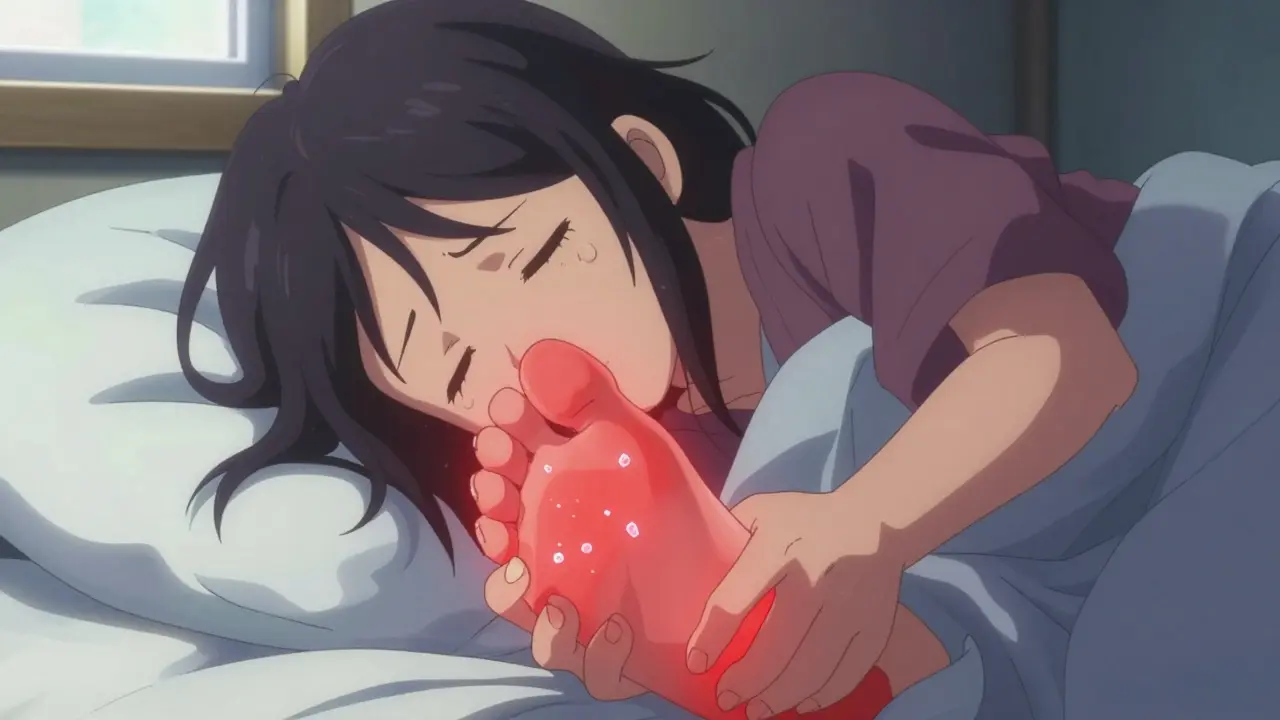
Imagine waking up with a joint so swollen and painful it feels like it's on fire. That's gout attacks for many people. It's not just a minor ache-it can make even the lightest touch unbearable. Gout attacks happen when uric acid builds up in your blood and forms sharp crystals in your joints. This causes intense inflammation, redness, and swelling. While it's often linked to diet, the real story is more complex. Let's break down what causes these painful episodes and how to manage them effectively.
What causes gout attacks?
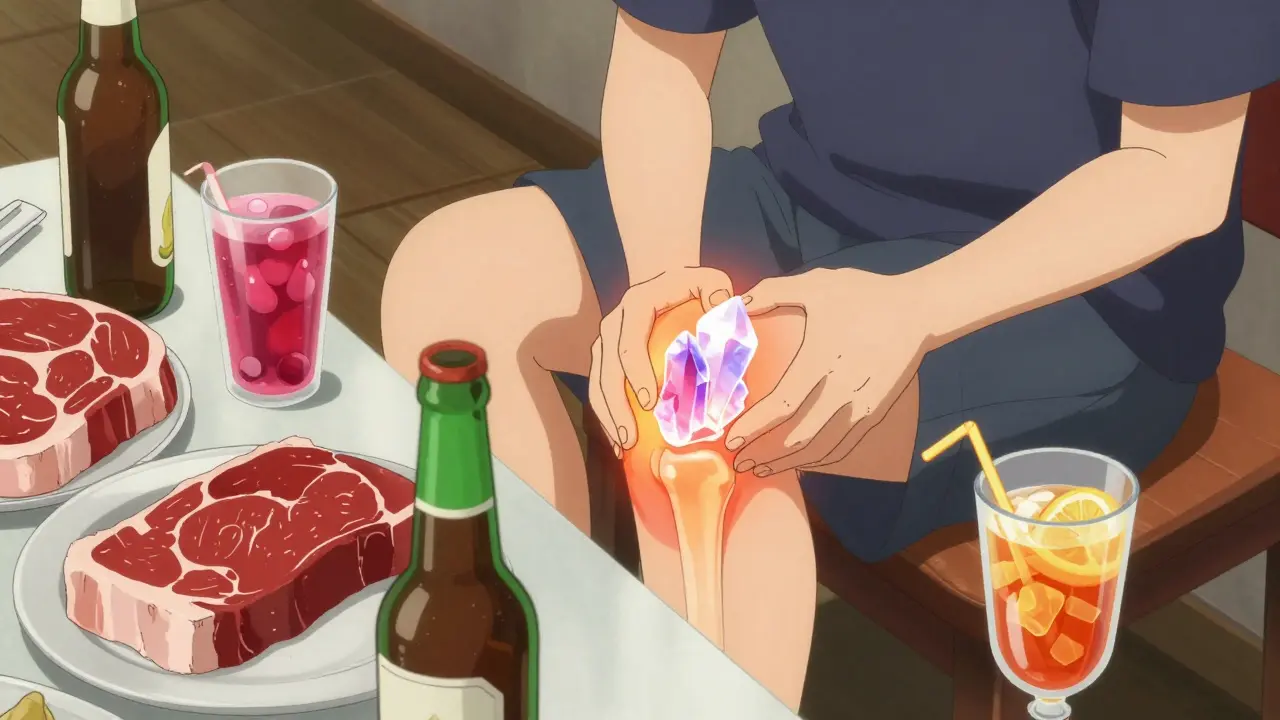
Gout is a painful form of inflammatory arthritis caused by the deposition of monosodium urate (MSU) crystals in joints and surrounding tissues. These crystals form when uric acid levels in your blood exceed 6.8 mg/dL. This is the saturation point where uric acid can no longer stay dissolved. Unlike most mammals, humans lack the enzyme uricase that breaks down uric acid. This evolutionary quirk makes us uniquely vulnerable to gout.
Most gout cases (90%) happen because your kidneys can't properly remove uric acid. This is called underexcretion. Genetics play a big role here-about 60% of uric acid level differences come from genes like SLC2A9 and SLC22A12. These genes control how your kidneys handle uric acid. Less than 10% of cases come from overproducing uric acid, usually due to diet or medical conditions.
When these crystals form, your immune system reacts strongly. The NLRP3 inflammasome in immune cells gets activated. This triggers a powerful inflammatory response. That's why gout attacks feel so sudden and severe. The pain, swelling, and redness aren't just symptoms-they're your body's reaction to the crystals.
Common triggers for gout flares
Triggers aren't random. They cause rapid changes in uric acid levels or physically disturb crystal deposits. Here's what commonly sparks an attack:
- Dietary purines from foods like organ meats (300-500 mg per 3-ounce serving), shellfish, and red meat
- Beer and spirits-drinking one 12-ounce beer daily raises gout risk by 49% compared to not drinking
- Fructose-sweetened drinks, which increase uric acid production by 20-30%
- Dehydration, which reduces urine output below 1.5 liters per day
- Joint trauma from minor injuries or surgery
- Rapid changes in uric acid levels when starting new medication
Many people think only diet matters, but medications play a huge role too. Thiazide diuretics (used for high blood pressure) increase gout risk by 30-50%. Low-dose aspirin (75-325 mg/day) also interferes with uric acid removal. Even seemingly harmless changes like starting or stopping medications can trigger attacks. This is why doctors emphasize gradual adjustments during treatment.
Treating acute gout attacks
When a gout attack hits, you need fast relief. The American College of Rheumatology recommends three main options:
| Medication | Typical Dose | Duration | Key Considerations |
|---|---|---|---|
| NSAIDs | Indomethacin 50 mg three times daily | 3-5 days | Take with food to avoid stomach issues; avoid if kidney problems |
| Colchicine | 0.6 mg three times daily | 4-7 days | Reduce dose for kidney issues; diarrhea is common at higher doses |
| Corticosteroids | Prednisone 30-40 mg daily | 5 days with taper | Best for those who can't take NSAIDs or colchicine |
Important note: Lowering uric acid during an acute attack won't help. In fact, it might make things worse. Any sudden change in uric acid levels-whether up or down-can trigger more inflammation. That's why treatment focuses on calming the immune response first, not fixing the underlying cause.
Long-term management: Lowering uric acid for good
Preventing future attacks means keeping uric acid levels low. The goal is to maintain levels below 6 mg/dL (ideally 5 mg/dL for severe cases). This prevents new crystals from forming and helps existing ones dissolve. Here's how it works:
Allopurinol is the first-choice medication. It starts at 100 mg daily, then increases by 100 mg each month until uric acid is below target. Most people need 300-600 mg daily. It works by reducing uric acid production. About 40-60% of patients reach target levels with allopurinol. If you can't tolerate it, Febuxostat (40-80 mg daily) is a common alternative.
For those with normal kidney function, Probenecid (250-2000 mg daily) helps kidneys excrete more uric acid. But it's less effective if kidney function is poor. Crucially, you need anti-inflammatory protection when starting these medications. Low-dose colchicine (0.6 mg once or twice daily) reduces first-year flare risk by 50-75%. Skipping this step is a common mistake.
Lifestyle changes that prevent gout attacks
Medication alone isn't enough. These daily habits make a big difference:
- Drink at least 2 liters of water daily to help flush uric acid
- Limit alcohol-beer is the worst offender, but spirits also raise risk
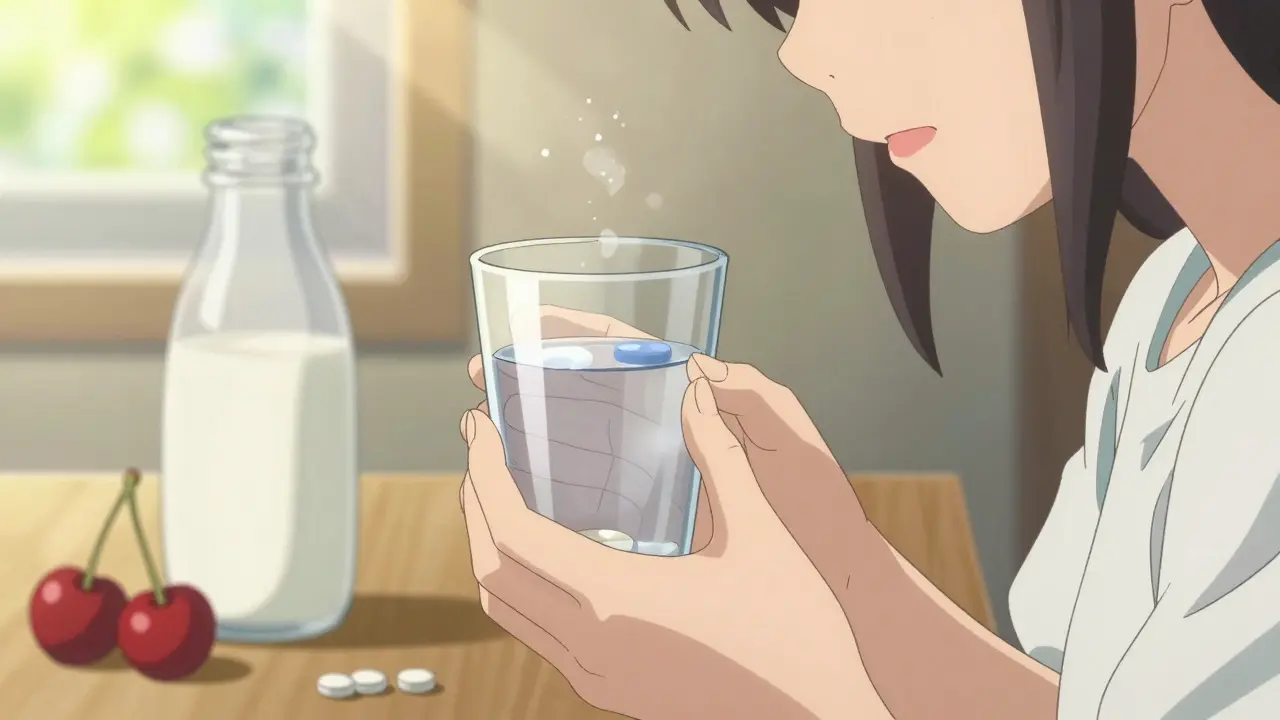
- Eat low-fat dairy (1-2 servings daily)-this cuts gout risk by 43%
- Avoid organ meats and shellfish; choose plant-based proteins instead
- Keep a healthy weight-rapid weight loss can trigger attacks
Research shows dairy has a protective effect. Low-fat milk contains orotic acid, which helps kidneys excrete uric acid. Studies also found that eating cherries or drinking cherry juice can reduce flare frequency by 35%. While not a cure-all, these changes work alongside medication to keep attacks at bay.
Common mistakes to avoid
Many people with gout make preventable errors:
- Stopping urate-lowering medication during an attack-this worsens outcomes
- Not taking colchicine prophylaxis when starting allopurinol
- Assuming symptom relief means gout is "cured"-it requires lifelong management
- Ignoring kidney health-poor kidney function makes uric acid control harder
- Skipping regular blood tests-uric acid should be checked every 2-5 weeks during dose adjustment
Discontinuing medication is especially dangerous. Uric acid rebounds to pre-treatment levels within 2-4 weeks. This often leads to more frequent attacks. Studies also show that maintaining uric acid below 5 mg/dL for 12 months resolves tophi (crystal deposits) in 70% of chronic cases. Consistency is key.
Frequently Asked Questions
Can I drink alcohol if I have gout?
Beer and spirits significantly increase gout risk. Research shows drinking one 12-ounce beer daily raises your risk by 49% compared to not drinking. Spirits also increase risk by 15% per serving. Wine has a smaller effect, but experts still recommend limiting all alcohol during gout management. The best approach is to avoid alcohol completely during acute attacks and limit to one drink occasionally when stable.
How long do I need to take allopurinol?
Gout requires lifelong management. Stopping allopurinol causes uric acid levels to rebound quickly, often within weeks. This triggers recurrent attacks. Most people need to take it indefinitely to keep uric acid below 6 mg/dL. Some may reduce dosage once stable, but never stop without doctor approval. Studies show consistent use prevents joint damage and tophi formation over time.
Why do gout attacks happen at night?
Nighttime attacks are common due to lower body temperature and dehydration. Cooler temperatures make uric acid crystals form more easily. Also, overnight dehydration concentrates uric acid in the blood. Sleep apnea-common in gout patients-can worsen this by lowering oxygen levels. This combination creates perfect conditions for crystal formation during sleep.
Can gout cause permanent joint damage?
Yes, untreated gout can cause permanent damage. Repeated attacks erode cartilage and bone. Tophi (crystal deposits) can form under the skin and damage joints. Studies show that maintaining uric acid below 6 mg/dL prevents this progression. Early treatment is crucial-once joint damage occurs, it's often irreversible. Regular monitoring and medication adherence protect your joints long-term.
What's the difference between gout and pseudogout?
Gout is caused by uric acid crystals (monosodium urate), while pseudogout is caused by calcium pyrophosphate crystals. Both cause similar symptoms, but pseudogout is more common in older adults and often affects the knees. Treatment differs too-colchicine works for both, but allopurinol only helps gout. Doctors confirm the diagnosis with joint fluid tests to see which crystals are present.


Thorben Westerhuys
February 5, 2026 AT 10:55