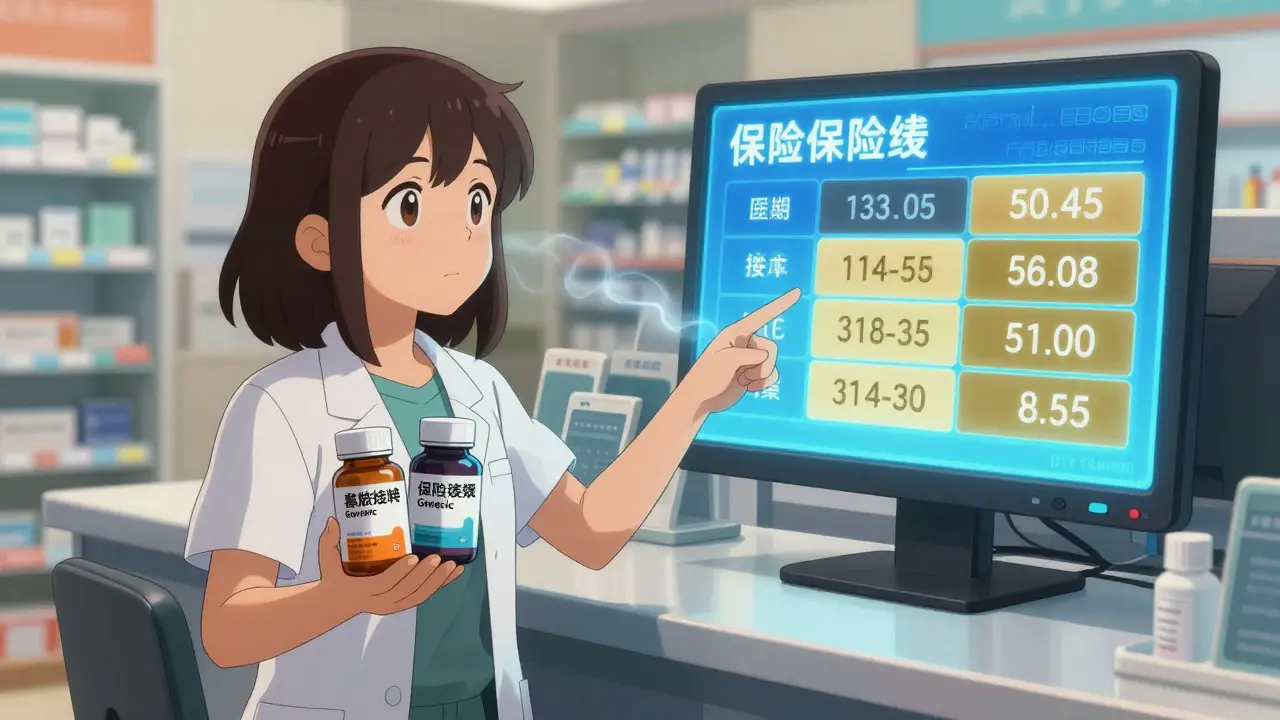
Switching to a generic version of your medication can cut your prescription costs by more than 80%. But not all generics are the same-and if you don’t ask the right questions, you might miss out on big savings. Many people think "generic" means one thing: cheaper. But there’s a hidden layer most patients never explore: authorized generics. These are exact copies of brand-name drugs made by the same company that makes the original, just sold under a different label. And they often cost less than traditional generics. The key is knowing how to ask for them-and how your insurance treats them.
What’s the Difference Between Generic and Authorized Generic?
A regular generic drug is made by a different company after the brand-name patent expires. It has the same active ingredients, works the same way, and is approved by the FDA. But an authorized generic is made by the original brand company itself-or a partner they license it to-and sold under a generic label. That means it’s chemically identical to the brand-name drug, down to the manufacturing facility, packaging, and even the inactive ingredients.
Why does this matter? Because authorized generics often come with lower list prices than the brand, but insurance plans don’t always treat them like regular generics. Some plans put them on higher tiers, meaning you pay more out of pocket. Others treat them like brand drugs, even though they’re made by the same company.
How Much Can You Really Save?
In 2022, generic drugs saved the U.S. healthcare system over $408 billion. That’s not a guess-it’s from the FDA and the Association for Accessible Medicines. The biggest savings happen in the first year after a generic enters the market. For example, when generic versions of Truvada (used for HIV prevention) hit the market, the price dropped from $50 per pill to under $3. That’s a 94% drop.
But here’s the catch: those savings don’t always reach you. A 2023 survey by Patients for Affordable Drugs found that 28% of people still paid over $20 for a generic prescription-even though the drug’s list price was under $5. Why? Because insurance formularies and pharmacy benefit managers (PBMs) control what you pay at the counter. Your copay might be based on how your plan classifies the drug, not what it actually costs.
Authorized generics can be cheaper than traditional generics. For example, authorized versions of Epclusa, Harvoni, and some insulins had list prices 50-67% lower than the brand. But again-your insurance might not reflect that.
How to Ask for Savings at the Pharmacy
Most pharmacists know about generics. But only 43% of independent pharmacists can explain how authorized generics affect your out-of-pocket cost, according to a 2022 survey. So you need to lead the conversation. Here’s exactly what to say:
- "Is there a generic version available?" This is step one. If the answer is yes, ask:
- "Is this an authorized generic?" If they say yes, follow up:
- "How does my insurance treat authorized generics compared to regular generics?" Some plans put AGs on the same tier as brand drugs. Others treat them like generics. Knowing this helps you decide whether to switch.
- "Can I get the cash price for the authorized generic versus the traditional generic?" Sometimes, paying cash is cheaper than using insurance-especially if your plan has a high deductible or copay structure.
Pro tip: Use tools like GoodRx or SingleCare to compare cash prices for both types. You might find the traditional generic costs less-even if the authorized one has a lower list price.
Why Your Insurance Might Not Save You
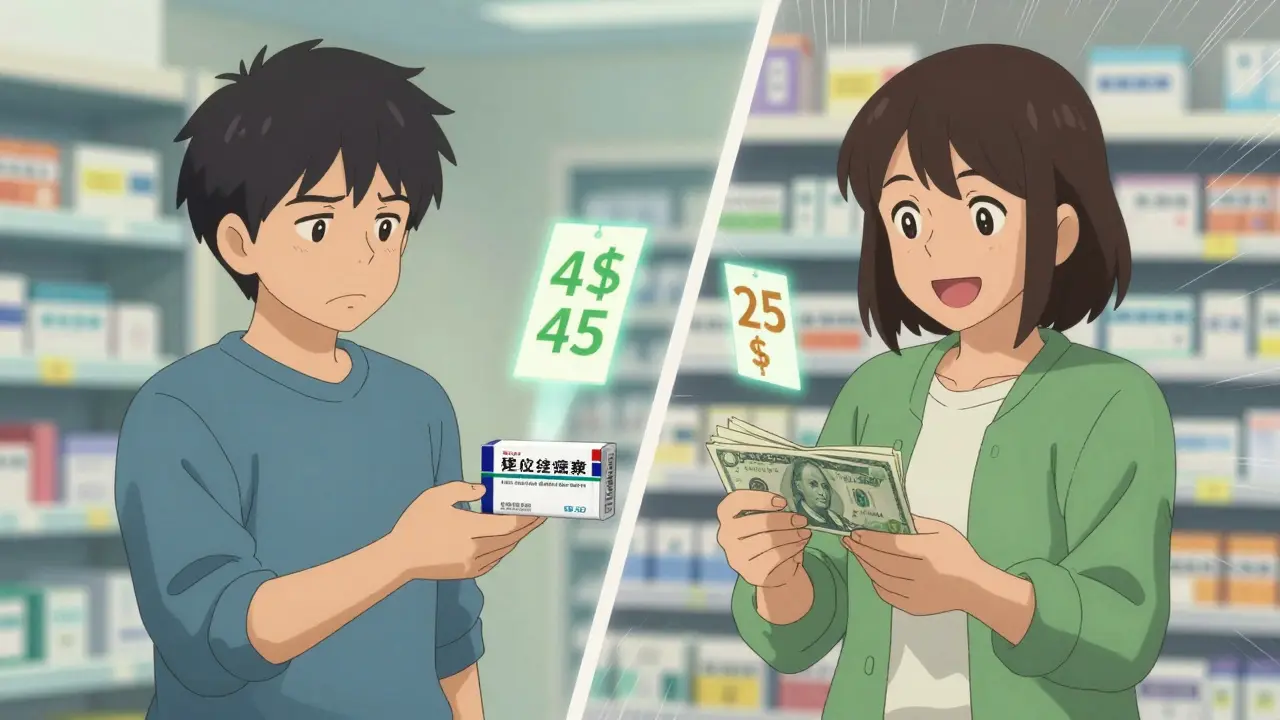
Here’s the messy part: insurance doesn’t always pass savings along. PBMs negotiate rebates with drugmakers, but those rebates don’t always lower your copay. In fact, sometimes they raise it. A 2022 study in Health Affairs found that patients on high-deductible plans often pay more for generics because insurers use rebates to lower premiums for everyone else-not your out-of-pocket cost.
One Reddit user shared: "My insulin went from $350 brand to $90 authorized generic, but my copay stayed at $45 because my plan treats AGs like brand drugs." Another said: "I switched from an authorized generic to a regular generic for my blood pressure med and saved $20 a month-even though the medication was identical."
That’s because the rebate structure differs. Traditional generics are often subject to aggressive PBM negotiations, which can drive down net prices. Authorized generics sometimes skip those negotiations, so even though they’re cheaper to make, your plan might not recognize it.
When to Stick With the Brand
Most of the time, generics are just as safe and effective. The FDA requires them to be bioequivalent-meaning they work the same way in your body. But there are exceptions. Some drugs have narrow therapeutic windows (like warfarin or thyroid meds), where tiny differences in absorption matter. If you’ve been stable on a brand drug for years, talk to your doctor before switching.
Also, if you’re on a Medicare Part D plan or private insurance with a formulary that heavily favors one type of generic, switching might not help. Check your plan’s drug list. If both generics are on the same tier, go with the cheaper one. If the authorized generic is on a higher tier, ask your pharmacist if you can get the traditional generic instead.
What to Do If You’re Still Paying Too Much
If you’re still paying $30 or more for a generic, here’s what to do next:
- Call your insurance’s pharmacy benefits line. Ask: "What tier is my generic on? What’s the copay difference between authorized and traditional generics?"
- Ask your doctor if they can prescribe the traditional generic instead of the authorized one. Sometimes, the prescription label doesn’t specify-and your pharmacist defaults to the AG.
- Use GoodRx to compare cash prices. If the cash price for a traditional generic is lower than your copay, pay cash. No insurance needed.
- Ask your pharmacy if they offer a discount program. Many independent pharmacies have their own savings plans.
The Bigger Picture
Generics now make up 90% of all prescriptions filled in the U.S. But they account for only 17.5% of total drug spending. That’s the power of competition. Yet, brand manufacturers still use tactics like authorized generics to delay cheaper competition. When a brand launches its own generic, it can block other companies from entering the market-slowing price drops.
That’s changing. The FDA’s 2023 Drug Competition Action Plan is pushing to speed up approval for complex generics-like inhalers and skin creams-that have historically had little competition. And lawmakers are pushing for price caps tied to international benchmarks.
But right now, the biggest tool you have is your voice. Asking the right questions at the pharmacy can save you hundreds a year. You don’t need to be an expert. You just need to ask: "Is this an authorized generic? And how does my insurance treat it?"
Frequently Asked Questions
Are authorized generics as safe as brand-name drugs?
Yes. Authorized generics are made in the same facility, with the same ingredients, and under the same quality controls as the brand-name drug. The FDA requires them to be identical in active ingredients, strength, dosage form, and route of administration. They are not less safe.
Why is my authorized generic more expensive than the traditional generic?
It’s not about the drug-it’s about your insurance. Some plans classify authorized generics as brand-name drugs for formulary purposes, even though they’re chemically identical. That means higher copays. Always compare the cash price of both types using GoodRx. Sometimes paying out of pocket is cheaper than using insurance.
Can I ask my doctor to prescribe a specific type of generic?
Yes. You can ask your doctor to write "dispense as written" or specify "traditional generic" instead of "generic" on the prescription. This tells the pharmacist not to substitute an authorized version. Not all doctors know this is an option-so be clear.
Do authorized generics have the same side effects as the brand?
Yes. Because they’re made from the same formula, in the same facility, with the same inactive ingredients, side effects are identical. The FDA requires this equivalence before approval. If you had no issues with the brand, you shouldn’t have any with the authorized generic.
How do I know if my drug has an authorized generic?
Ask your pharmacist directly. You can also check the FDA’s Orange Book (online) or use GoodRx. If the brand manufacturer is listed as the maker of the generic version, it’s an authorized generic. Common examples include drugs like Lipitor, Nexium, and Humira.


Johny Prayogi
March 21, 2026 AT 11:26