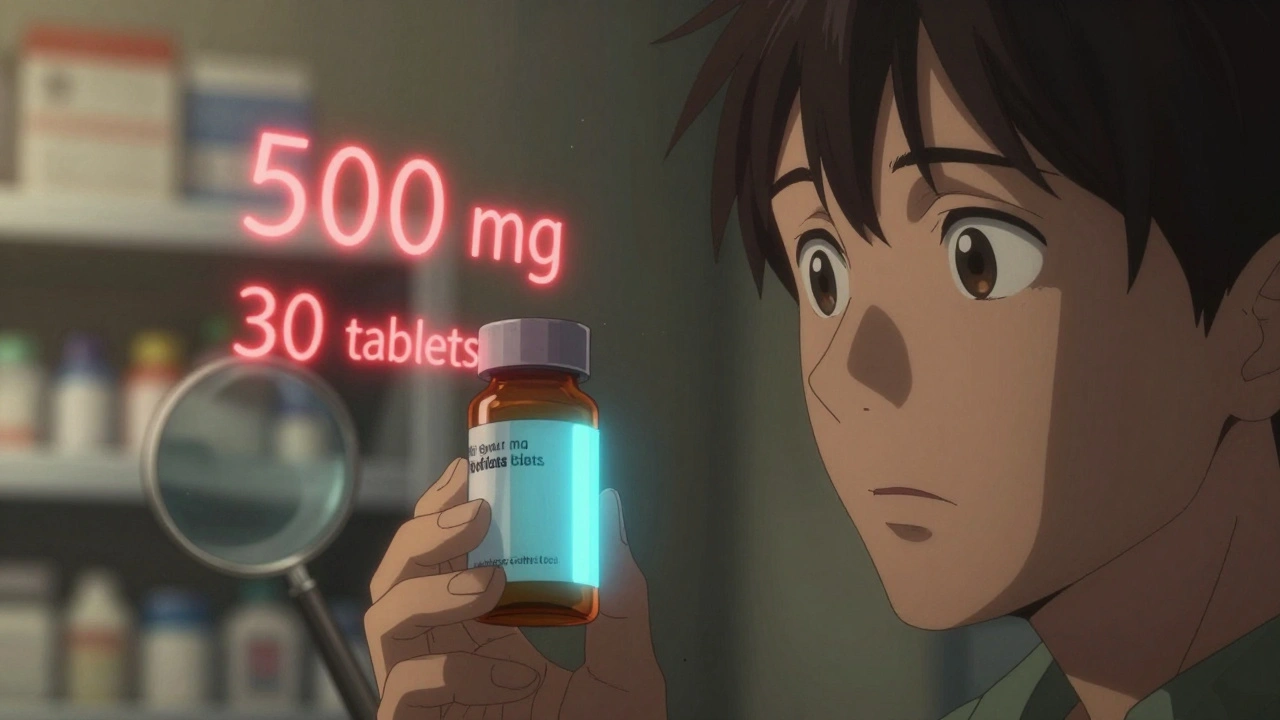
Every time you pick up a prescription, you’re holding your safety in your hands. Not just the pill or the liquid - but the numbers on the label. A single mistake in reading medication strength can mean the difference between healing and harm. One wrong decimal, one misread unit, and you could be taking ten times the dose you’re supposed to. That’s not hypothetical. It happens. And you don’t need to be a pharmacist to catch it.
What Medication Strength Actually Means
Medication strength tells you how much active drug is in each dose. It’s not just a number. It’s a measurement that determines how your body reacts. On a pill, it’s usually written as 500 mg - meaning each tablet contains 500 milligrams of the drug. On a liquid, it’s written as 250 mg per 5 mL - meaning every 5 milliliters you swallow contains 250 milligrams. That’s critical.
Some medications use micrograms (mcg) instead of milligrams. One milligram equals 1,000 micrograms. Confusing them can be deadly. A patient once took a thyroid pill labeled 0.025 mg - but read it as 25 mg. That’s 1,000 times too much. She ended up in the hospital. This isn’t rare. The Institute for Safe Medication Practices found that 18.7% of fatal pediatric dosing errors come from decimal point mistakes - like reading 0.5 mg as 5 mg.
Topical creams and ointments show strength as a percentage. A hydrocortisone 1% cream means 1 gram of the drug is in every 100 grams of cream. That’s not obvious unless you know what to look for.
How Quantity Is Listed - And Why It Matters
Quantity is the total amount the pharmacy gave you. It’s not how much to take each time - it’s how much is in the bottle. For pills, it’s 30 tablets. For liquids, it’s 120 mL. For creams, it’s 30 grams.
People often mix up quantity and dose. If your label says 10 mg per tablet, 30 tablets, that doesn’t mean you take 30 mg a day. It means you have 30 pills, each with 10 mg. If your doctor told you to take one a day, you have a month’s supply. If you think the 30 is your daily dose, you’ll run out in a day - and maybe overdose.
One woman in Bristol took her blood pressure pill every 4 hours because she misread the label. The bottle said 2.5 mg, 30 tablets. She thought the 30 meant 30 doses a day. She ended up with dangerously low blood pressure. She didn’t know the difference between per-dose and total quantity - until it was too late.
Where to Find Strength and Quantity on the Label
Look right after the drug name. Most pharmacies put strength directly beneath or in parentheses after the medication. CVS puts it below the name. Walgreens puts it in parentheses. Kaiser Permanente adds a little box that says “Strength Verification.” It’s not always in the same spot - but it’s always there.
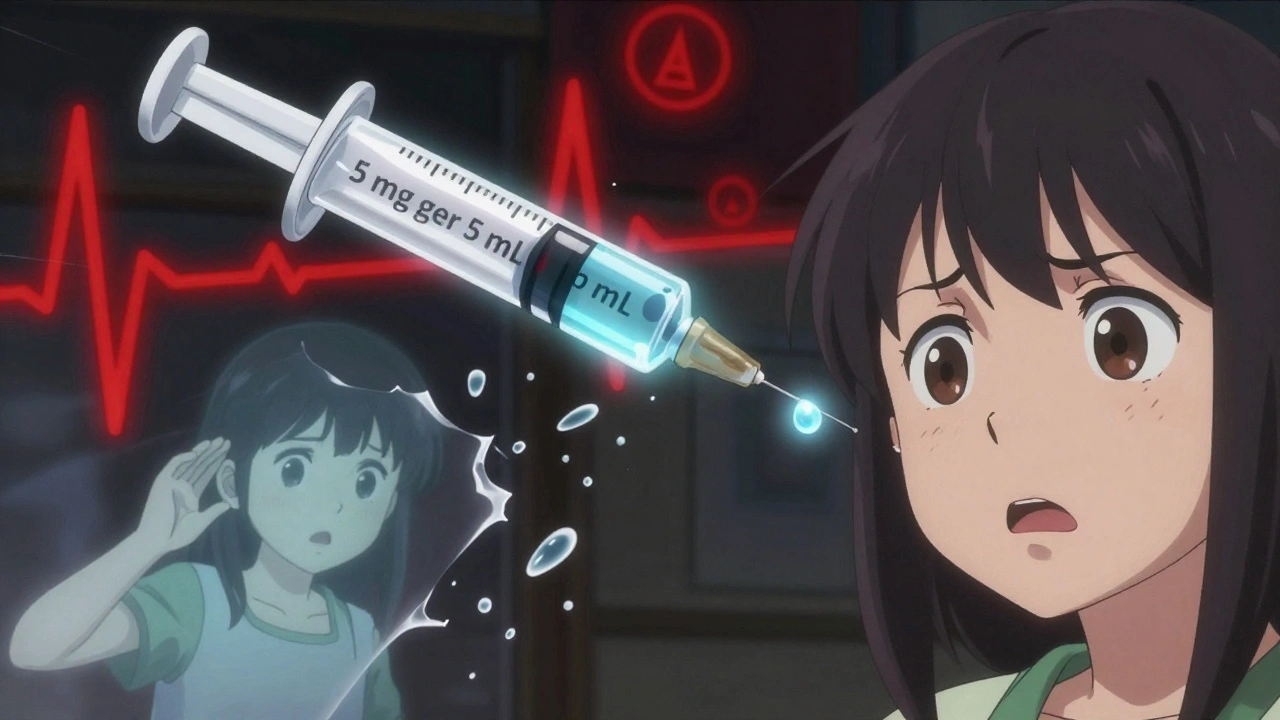
For liquids, you’ll see two numbers: the concentration (like 5 mg/mL) and the total volume (like 100 mL). Don’t skip the concentration. That’s what tells you how strong each sip is. If you’re giving medicine to a child, you need both numbers to measure the right amount with a syringe or cup.
Check the font size. A 2022 survey found that 63% of patients complained about tiny print. If you can’t read it, ask the pharmacist for a large-print label. Nearly 90% of chain pharmacies in the U.S. offer that for free.
How to Verify - A Simple 4-Step Check
You don’t need a degree to check your meds. Just follow this routine every time:
- Find the drug name - Make sure it’s the one your doctor prescribed. Sometimes brand names change, or generics get switched.
- Locate the strength - Is it in mg, mcg, or %? Does it match what your doctor wrote? If your script said 10 mg and the label says 5 mg, stop. Ask.
- Check the quantity - Does the total match your prescription? If you were supposed to get 60 pills and you got 30, something’s wrong.
- Compare with your prescription - Pull out the paper or digital copy your doctor gave you. Does the strength and quantity match? If not, don’t leave the pharmacy until it’s fixed.
Use your phone. If the print is too small, open the camera app and zoom in. Or use a magnifying app. Pharmacists in a 2023 survey said 76% of patients who used this method caught errors they’d have missed.
Red Flags That Mean Something’s Wrong
Here’s what to watch for:
- “U” instead of “unit” - That’s a dangerous abbreviation. “U” can look like “0.” Always see “unit” spelled out.
- Missing units - If it just says “500” with no “mg,” that’s not legal. Pharmacies must include units.
- Handwritten notes - Some small pharmacies write corrections by hand. That’s okay - but make sure it’s clear. If it’s smudged or hard to read, ask for a new label.
- Wrong pill shape or color - If your usual blue pill is now white, ask. Strength changes can alter appearance. But sometimes, it’s a mix-up.
- Too many pills - If you’re on a 30-day supply but got 90 pills without being told, double-check. It could be a bulk fill error.
One Reddit user caught a mistake when their child’s amoxicillin label said 500 mg/5 mL - but the doctor prescribed 250 mg/5 mL. They caught it before giving the first dose. That’s how you stay safe.
What Happens When You Don’t Check
Medication errors cause up to 9,000 deaths a year in the U.S. - and about 22% of those involve strength or quantity mistakes. The elderly are most at risk. Over 37% of reported errors happen in people over 65. Why? Multiple meds, poor eyesight, memory issues.
But it’s not just older adults. Parents give kids wrong doses. People on blood thinners, insulin, or seizure meds are especially vulnerable. A 2021 FDA study found that only 63% of compounded meds - custom mixes made for specific patients - had clear strength labeling. That’s a huge gap.
And it’s not just about pills. Liquid medications are the most dangerous. Nearly a third of all dosing errors happen with liquids because caregivers misread mg/mL ratios. A parent might think “5 mg/mL” means 5 mg per full bottle - not per milliliter. That’s a 100-fold mistake waiting to happen.
What’s Changing - And What You Should Know
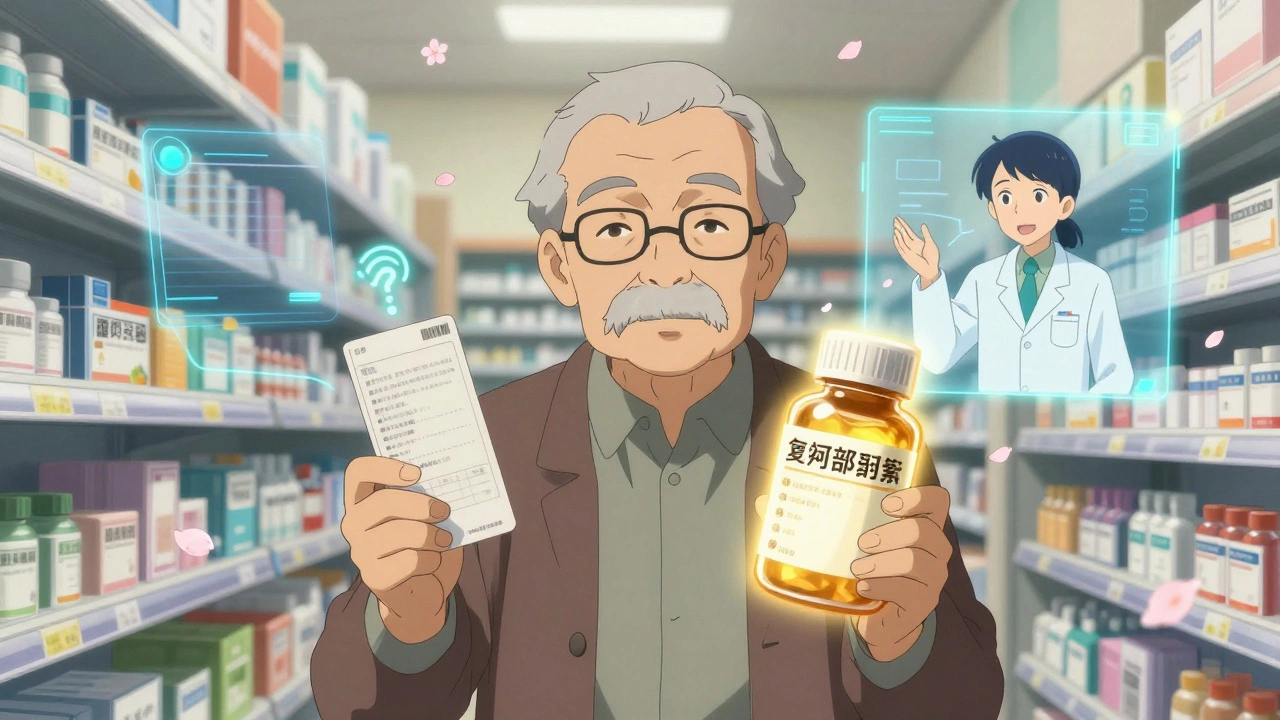
By January 1, 2025, new FDA rules will require clearer labeling for high-risk drugs - like blood thinners, insulin, and chemotherapy. These will have red borders around the strength and bigger font. Some pharmacies are already testing smart labels with NFC chips. Tap your phone to the bottle, and it pulls up a video showing how to take the dose.
Most chain pharmacies now offer apps that scan your prescription barcode and compare the label to your doctor’s order. Walgreens rolled this out in all 9,000 stores in 2022. It cuts verification time from nearly a minute to under 10 seconds.
But technology doesn’t replace you. It just helps. The most reliable safety system is still a patient who knows how to read their label.
What to Do If You Find a Mistake
If the strength or quantity is wrong - don’t take it. Don’t guess. Don’t assume it’s a typo.
Call the pharmacy. Ask to speak to the pharmacist. Say: “I think there’s an error on my label. The strength says X, but my prescription says Y.”
Most pharmacies will fix it right away. If they refuse, ask for a manager. You have the right to safe medication. You’re not being difficult - you’re being smart.
Keep a copy of your prescription. Take a photo of the label when you get home. Compare them side by side. If something feels off - trust it.
Final Thought: You’re the Last Line of Defense
Doctors write prescriptions. Pharmacists fill them. But you’re the one who takes them. That makes you the final checkpoint. No machine, no app, no pharmacist can replace your eyes, your brain, and your willingness to ask.
It takes just 30 seconds to check your label. But those 30 seconds could save your life - or your child’s. And once you do it once, you’ll never forget. You’ll do it every time. Because you know now: numbers on a label aren’t just ink. They’re your safety.
What if the medication strength on my label doesn’t match my doctor’s prescription?
Stop. Don’t take the medication. Call the pharmacy immediately and ask to speak to a pharmacist. Show them your prescription copy. Most errors are simple mix-ups - like confusing 5 mg with 50 mg - and they’ll fix it right away. If they refuse, ask for a manager. You have the right to safe medication, and pharmacies are required to correct mistakes.
Can I trust the pill’s color or shape to tell me the strength?
No. Pill color and shape can change based on the manufacturer, even if the strength is the same. A 10 mg pill from one company might be blue, while another makes it white. Never rely on appearance. Always read the label. If the pill looks different and the strength matches, it’s probably fine - but if the strength doesn’t match, it’s not.
Why do some labels say “mcg” and others say “mg”?
“mcg” stands for microgram - one-thousandth of a milligram. Some medications, like thyroid pills or vitamin B12, are so potent they’re measured in micrograms. Mixing up mcg and mg is dangerous - it’s a 1,000-fold difference. Always check the unit. If you’re unsure, ask the pharmacist to explain it in plain terms.
How do I read the strength on liquid medicines?
Look for two numbers: the concentration and the total volume. For example, “5 mg per 5 mL” means each 5 milliliters (about one teaspoon) contains 5 mg of medicine. If your dose is 2.5 mg, you need half of that - 2.5 mL. Always use a proper measuring syringe, not a kitchen spoon. Misreading this ratio is one of the most common causes of pediatric overdoses.
Are there tools to help me read small print on labels?
Yes. Most smartphones have a built-in magnifier. On iPhone, go to Settings > Accessibility > Magnifier and turn it on. On Android, use the “Magnification” feature in Accessibility settings. You can also download free magnifying apps. Pharmacists recommend these tools - especially for older adults or those with low vision. You can also ask for a large-print label at no extra cost.
What should I do if I’m taking multiple medications?
Keep a written list of all your medications - including the name, strength, and how often you take them. Update it every time you get a new prescription. Use a pill organizer with clear labels. When you pick up a new med, compare it to your list. If something doesn’t match, ask. Polypharmacy (taking 4+ meds) increases error risk. Your pharmacist can help you review all your meds at once - ask for a “medication review” at your next visit.


Olivia Hand
December 6, 2025 AT 21:04