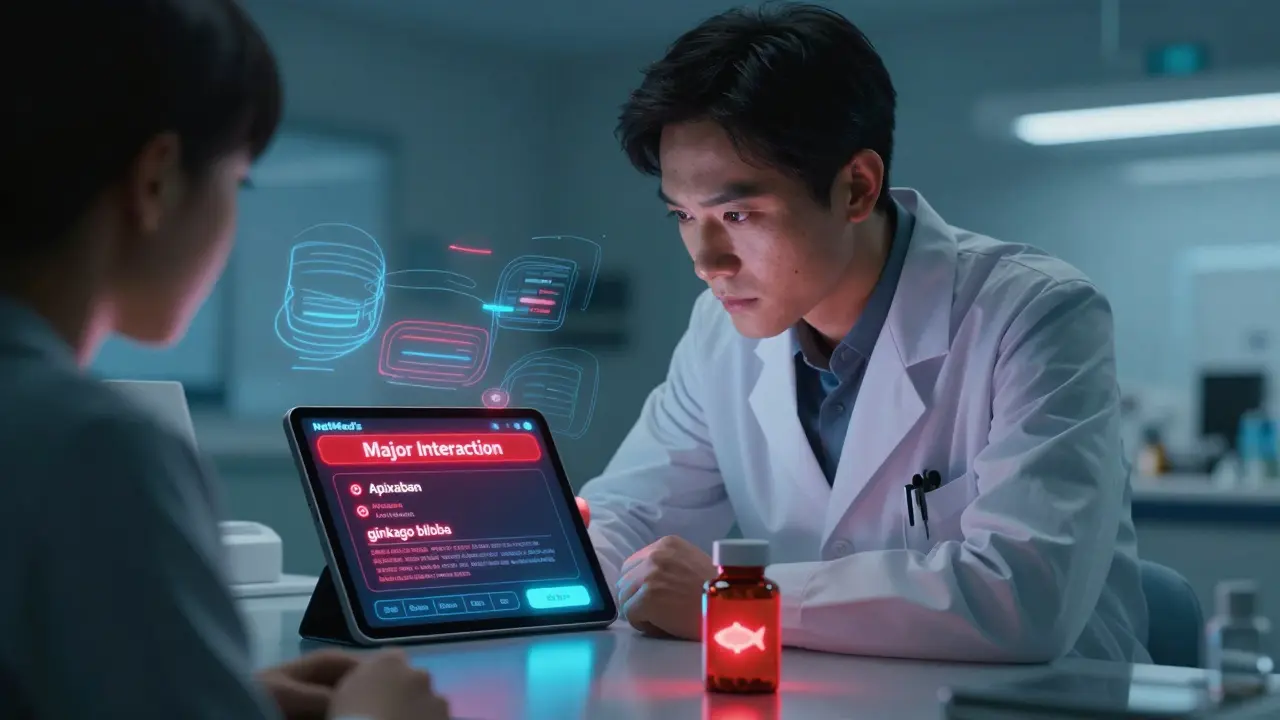
Every year, over 23,000 people end up in the emergency room because a supplement they took reacted badly with a prescription drug. And here’s the scary part: most of these cases are preventable. Patients rarely mention their supplements to their doctors. Providers rarely ask. But when you combine something like ginkgo biloba with blood thinners, or St. John’s wort with antidepressants, the risks aren’t theoretical-they’re life-threatening.
Why Checking Supplement Interactions Isn’t Optional
More than half of U.S. adults take at least one dietary supplement. That number jumps to nearly 80% for people over 65 who are also on multiple prescriptions. The problem? Most drug interaction databases were built for pharmaceuticals, not supplements. They don’t recognize brand names like “Nature’s Bounty Omega-3” or “NOW Turmeric 500mg.” They need the active ingredients: omega-3 fatty acids, curcumin.
Without checking these interactions, you’re flying blind. A 2023 study at Johns Hopkins found that a patient on apixaban (Eliquis) was also taking ginkgo biloba. The combination caused a major bleed. The interaction was caught only because the pharmacist pulled up NatMed’s database and saw the red flag. If that hadn’t happened, the patient could have died.
This isn’t about being cautious. It’s about basic safety. The American Society of Health-System Pharmacists (ASHP) says supplement interaction checking should be standard practice for anyone on chronic meds-especially anticoagulants, antidepressants, chemotherapy, and seizure drugs.
What You Need Before You Start
You can’t check interactions if you don’t know what you’re checking. Most patients can’t tell you the exact ingredients in their supplements. They’ll say, “I take the red bottle with the fish on it.” That’s not enough.
Here’s what you need before opening any database:
- A complete list of all supplements - including vitamins, herbs, minerals, probiotics, and even energy powders.
- The product label - or a photo of it. Look for the “Supplement Facts” panel. That’s where the real ingredients are listed.
- The exact dosage and frequency - “I take one a day” isn’t enough. Is it 500 mg? 1,000 mg? Once or twice daily?
- The patient’s current medications - prescription, OTC, even topical creams or patches.
Pro tip: Use the 10-item Supplement History Interview. It’s a simple questionnaire that increases disclosure by over 50%. Ask: “Do you take anything besides your prescriptions? Even something natural or herbal?” Don’t say “supplements.” Many people think that means pills only. They don’t realize green tea extract or melatonin count too.
Which Databases Actually Work for Supplements?
Not all drug interaction tools are created equal. If you’re using a general database like DrugBank or DDInter, you’re missing up to 90% of supplement interactions.
Here’s what actually works:
| Database | Supplement Coverage | Ingredient-Level Mapping | Severity Ratings | Best For |
|---|---|---|---|---|
| NatMed (Natural Medicines) | 1,900+ supplements | 98.7% of products mapped to active ingredients | 4-tier system (Contraindicated, Major, Moderate, Minor) | Gold standard for accuracy |
| FDB MedKnowledge | 2,400+ supplements | Only category-level (e.g., “St. John’s Wort”) | 4-tier system | Hospitals using Epic or Cerner EHR |
| DrugBank | 14,300+ nutrient-drug pairs | Only 42% include mechanism of action | Basic severity only | General drug interactions, not supplement-focused |
| PHYDGI | Specialized in herbs | Quantified interaction strength (0-10 scale) | Pharmacokinetic scores | Research and detailed mechanism analysis |
Bottom line: If you’re checking supplements, use NatMed. It’s the only one with reliable, ingredient-level mapping. A 2024 validation study showed 94.3% agreement among clinical pharmacists using NatMed - far higher than any other tool.
Step-by-Step: How to Check a Supplement Interaction
Here’s how to do it right - no guesswork, no shortcuts.
- Collect the supplement label - Take a photo or write down every ingredient listed under “Supplement Facts.” Don’t skip proprietary blends. If it says “Energy Blend: 500mg,” you need to know what’s in that blend.
- Search the database by ingredient - Type in the active compound: “curcumin,” “ginseng,” “milk thistle,” “vitamin K.” Avoid brand names. NatMed will auto-suggest the correct ingredient if you’re close.
- Match the dosage - Some interactions only happen at high doses. For example, vitamin K can reduce warfarin’s effect, but only if the patient is taking more than 100 mcg daily.
- Input all current medications - Add every drug the patient is taking, even topical ones. Don’t forget OTCs like ibuprofen or antacids. They matter too.
- Review the interaction severity - NatMed uses four levels: Contraindicated (don’t combine), Major (monitor closely), Moderate (possible effect), Minor (unlikely to matter). If it’s Major or Contraindicated, you need to act.
- Check the management recommendations - Good databases don’t just warn you. They tell you what to do. For example: “Discontinue ginkgo 7 days before surgery,” or “Monitor INR weekly if combining with warfarin.”
- Document the result - Add the interaction and action plan to the patient’s record. Say: “Patient taking ginkgo biloba 120 mg daily. Interaction with apixaban: Major. Advised to discontinue. Follow-up in 1 week.”
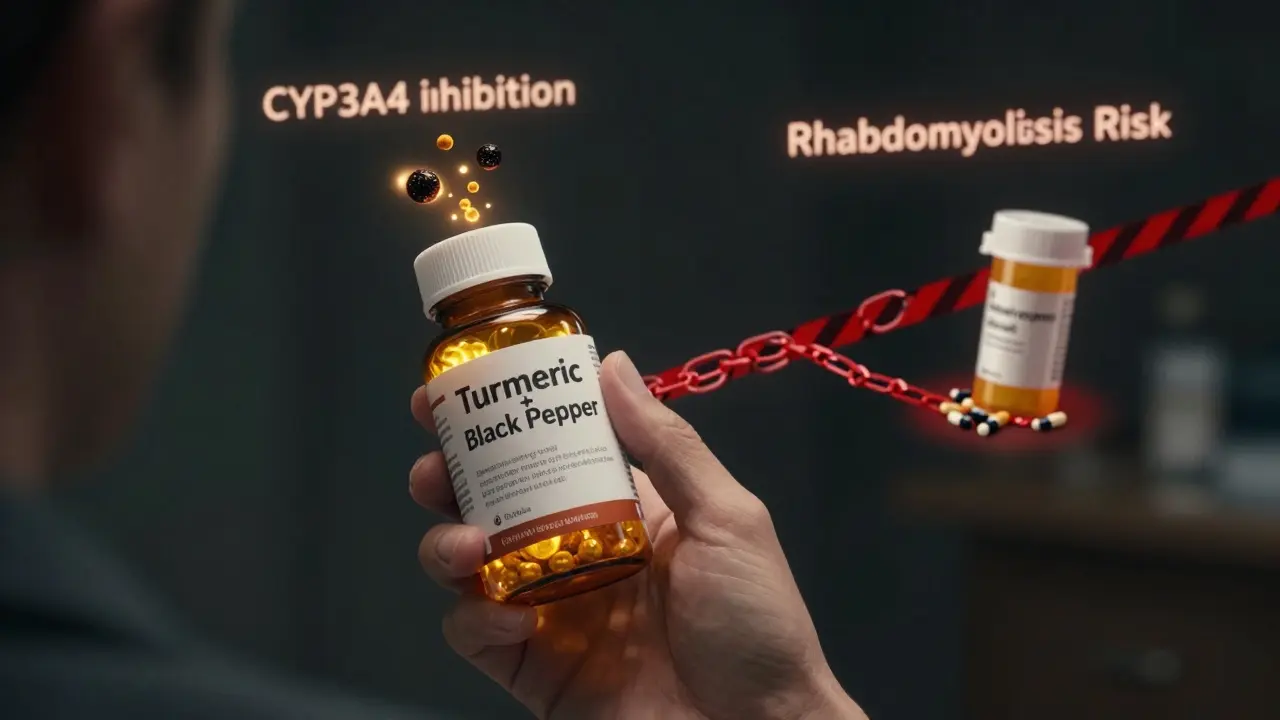
One common mistake? Assuming “natural” means safe. Milk thistle sounds harmless. But it inhibits CYP3A4 - the same enzyme that metabolizes statins, immunosuppressants, and many antidepressants. That’s a major interaction waiting to happen.
What to Do When the Database Doesn’t Recognize the Supplement
Here’s the ugly truth: 68% of supplement products contain ingredients not listed on the label. The FDA found this in 2023. So even if you type in the exact name, the database might say “no interaction found.”
What then?
- Look up each individual ingredient - If the product says “Turmeric + Black Pepper,” search curcumin and piperine separately.
- Use PubMed or NIH’s LiverTox - Search “[ingredient] + [drug] interaction.” The NIH’s LiverTox database now includes supplement-induced liver injury cases.
- Check the manufacturer’s website - Reputable brands list full ingredient disclosures. If they don’t, that’s a red flag.
- Ask the patient for the bottle - Sometimes the ingredient list is on the side or bottom. Don’t trust memory.
And if you’re still unsure? Err on the side of caution. Tell the patient to stop the supplement until you can verify it. Better safe than sorry.
Common Dangerous Combinations You Can’t Afford to Miss
Some interactions are so common and so deadly, they should be memorized:
- Warfarin + Ginkgo Biloba - Major bleeding risk. Ginkgo inhibits platelet aggregation. Avoid completely.
- Statins + Red Yeast Rice - Red yeast rice contains lovastatin. Combining it with prescription statins can cause rhabdomyolysis - muscle breakdown that can kill.
- SSRIs + St. John’s Wort - Risk of serotonin syndrome. Symptoms: agitation, rapid heart rate, high fever. Can be fatal.
- Calcium Channel Blockers + Grapefruit Juice - Even though it’s a fruit, grapefruit is a potent CYP3A4 inhibitor. It can spike blood levels of amlodipine, diltiazem, and verapamil.
- Chemotherapy + Antioxidants (Vitamin C, E, Selenium) - Many oncologists avoid these because they may interfere with radiation and chemo mechanisms. NatMed is the go-to for oncology interactions.
These aren’t rare. They happen every day. And they’re preventable - if you check.

What’s Changing in 2026?
Things are getting better - slowly.
NatMed released version 12.3 in April 2024 with AI-powered name recognition. Now, if a patient says “I take the ginkgo from Walmart,” the system can match it to the correct ingredient, even if the brand isn’t in the database.
FDB is integrating with Epic EHR systems so that when a pharmacist enters a new prescription, the system automatically flags any supplements the patient is taking. That’s coming in Q3 2024.
The FDA is piloting blockchain verification for supplement manufacturers. If it works, you’ll be able to scan a barcode and instantly see what’s really inside the bottle.
But for now, the responsibility still falls on you. No algorithm replaces asking the right questions and checking the right database.
Final Thought: This Isn’t Just About Safety - It’s About Trust
Patients trust you. They assume you know what’s safe. If you don’t check supplement interactions, you’re not just missing a data point - you’re failing your patient.
It’s not about being perfect. It’s about being consistent. Every time. Every patient. Every supplement.
One pharmacist at Massachusetts General told me: “I used to skip checking supplements because it took too long. Now I do it before I even log into my computer. It’s part of the ritual. If I don’t check, I don’t prescribe.”
That’s the standard. That’s how you protect lives.
Can I use free online tools to check supplement interactions?
Free tools like WebMD or RxList often lack supplement-specific data. They may flag a few common interactions, but they miss 80% or more of the real risks - especially with herbal products, proprietary blends, or high-dose nutrients. For clinical decisions, you need a validated database like NatMed. Free tools are okay for curiosity, not for patient care.
Do I need to check supplements even if the patient says they’re “just vitamins”?
Yes. “Just vitamins” can be dangerous. High-dose vitamin K can reverse the effects of warfarin. Vitamin E in large amounts increases bleeding risk with anticoagulants. Even B-complex vitamins can interfere with certain seizure medications. Never assume safety based on the word “vitamin.” Always check the full label.
What if the patient won’t stop taking a supplement that interacts with their medication?
Don’t just say “stop it.” Explain why. Use simple language: “This herb makes your blood thinner, and your medicine already does that. Together, you could bleed inside your brain or stomach.” Offer alternatives if possible - like switching to a different herb with no interaction, or adjusting the medication dose under close monitoring. Document their choice and schedule follow-up.
Are there any supplements that are always safe to take with any drug?
No. There’s no such thing as universally safe. Even something as simple as calcium can reduce absorption of thyroid medication or antibiotics like ciprofloxacin. Always check. Even if it seems harmless, the interaction might be subtle - and still dangerous over time.
How often should I recheck supplement interactions?
Recheck every time the patient’s medication changes - even if it’s a small dose adjustment. Also recheck if they start a new supplement or stop one. And if they’re on long-term therapy, do a full review every 6 months. Supplements change. Medications change. So do the risks.
Is there a mobile app I can use for quick checks?
NatMed has a mobile app that works offline after syncing. It’s the only one reliable enough for clinical use. Other apps like Medscape or Epocrates have limited supplement data and aren’t recommended for high-risk patients. If you’re using a mobile tool, make sure it pulls from NatMed or FDB - not a generic source.
Next Steps for Healthcare Providers
If you’re not already using a validated supplement interaction database:
- Ask your pharmacy department if NatMed is available through your hospital or clinic.
- If you’re an independent provider, consider a $499/year individual subscription - it’s cheaper than one malpractice claim.
- Train your staff to ask about supplements during intake. Use the 10-item questionnaire.
- Make supplement interaction checking part of your standard workflow - not an afterthought.
If you’re already using one - make sure you’re using the right one. Don’t settle for tools that miss the details. Your patients are counting on you to get it right.


Andrew Freeman
January 14, 2026 AT 12:48