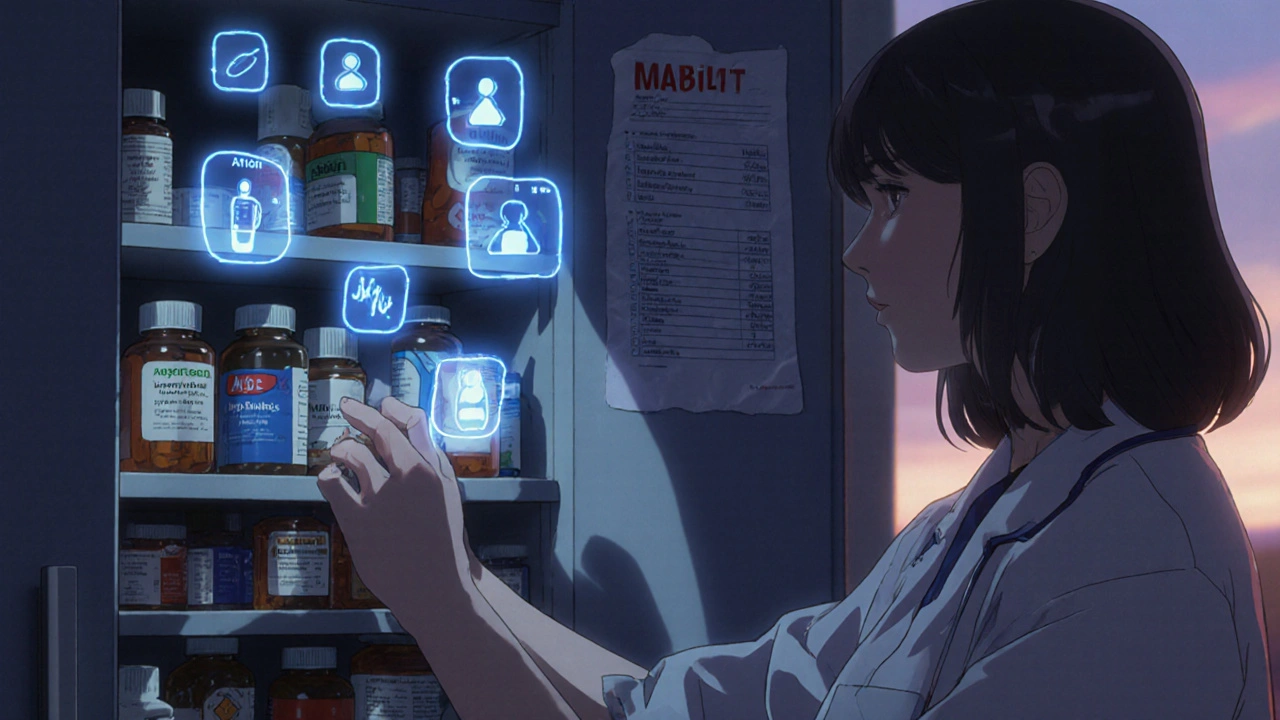
Why a Medication List Matters More Than You Think
Over 40% of older adults take five or more medications every day. That’s not just a number-it’s a ticking time bomb if nothing is written down. A single missed dose, a wrong pill, or a hidden interaction can send someone to the hospital. And it happens more often than you’d guess. Around 7,000 people die each year in the U.S. because of medication errors. Most of those deaths are preventable. The fix isn’t high-tech or expensive. It’s simple: a clear, updated, and accessible medication list.
When you’re caring for an aging parent, spouse, or relative, you’re not just helping with meals or baths. You’re managing a complex medical system. Prescriptions from three different doctors. Over-the-counter painkillers. Supplements bought online. Vitamins from the grocery store. All of it adds up. Without a solid list, you’re flying blind. And in emergencies-like a fall, a stroke, or a sudden allergic reaction-first responders need to know exactly what’s in the body. That’s where a well-organized medication list saves lives.
What Every Medication List Must Include
A good medication list isn’t just a note on a napkin. It needs details. Too many caregivers skip the small stuff-and that’s where mistakes happen. According to the FDA, 92% of medication errors come from missing or unclear instructions. So here’s what you actually need to write down for every single pill, patch, or liquid:
- Medication name - both brand and generic (e.g., "Lisinopril (Zestril)")
- Dosage - exactly how much (e.g., "10 mg", not "one pill")
- Frequency - when and how often (e.g., "once daily at 8 a.m.", "as needed for pain")
- Purpose - why they’re taking it (e.g., "for high blood pressure", "for arthritis")
- Special instructions - "take with food," "don’t crush," "avoid grapefruit"
- Start date - when the prescription began
- Prescribing doctor - name and phone number
- Pharmacy name and number - the one filling the prescription
- Potential side effects - what to watch for (e.g., "dizziness," "swelling in ankles")
- Allergies - any known reactions to medications or ingredients
- Stop date - for time-limited prescriptions (e.g., "finish by 12/15/2025")
- NDC number - the 11-digit code on the bottle (helps pharmacists avoid mix-ups)
Don’t forget supplements. People think fish oil or vitamin D is harmless. But they can interact with blood thinners, blood pressure meds, and even chemotherapy. Treat them like real drugs. Write them down. Same goes for herbal teas, CBD gummies, or probiotics bought on Amazon. If it’s taken by mouth, it belongs on the list.
Choose the Right Format: Paper, Digital, or Both
There’s no one-size-fits-all. Some caregivers swear by paper. Others can’t stand writing things down. The best approach? Use both.
Paper lists are still the most common-used by 63% of caregivers, according to GoodRx. They’re reliable during power outages, in the ER, or when a phone dies. Keep one in a wallet, another taped to the fridge, and a third in a binder with other medical documents. Use a laminated sheet or clear plastic sleeve so it doesn’t get smudged or wet. Write in bold, large letters. Color-code by time of day: red for morning, blue for evening, green for as-needed.
Digital tools like Medisafe, MyMeds, or even a shared Google Doc can cut errors by 42% when someone takes more than four medications. They send reminders, track refills, and can even alert you if two pills might interact. But here’s the catch: 62% of caregivers over 65 find apps too confusing. And 71% of family caregivers quit using them within three months because they’re too hard to update.
So here’s the smart fix: Use a digital list as your master copy-updated after every doctor visit. Then print a clean, simple version for emergencies. Keep the printed one in the car, the nightstand, and the caregiver’s purse. That way, if the phone breaks or the Wi-Fi goes down, you’re not stuck.
How to Build Your List (Step-by-Step)
Don’t try to do this in one sitting. Take it slow. Start with a clean workspace and a big bag.
- Collect everything - Go through every drawer, cabinet, and bathroom counter. Pull out every pill bottle, cream tube, inhaler, and supplement pack. Even the half-empty ones. Don’t skip the ones you think are "old"-they might still be active.
- Match each item to its prescription - Check the label on each bottle. Write down the name, dose, and instructions. If the label is faded, call the pharmacy. They can print you a new one.
- Fill in the details - Use the 12-point checklist above. If you don’t know why a medication was prescribed, write "unknown" and ask the doctor at the next visit.
- Organize by schedule - Group medications by when they’re taken: morning, afternoon, evening, bedtime. Use a simple table: Time | Medication | Dose | Purpose.
- Create copies - Print two copies. One stays at home. One goes with the person you’re caring for.
- Update immediately - If a doctor changes a dose, adds a new med, or stops one, update the list right away. Don’t wait. Even if it’s just a note on a sticky note-get it in the list before the next dose.
It takes 2-3 hours the first time. After that, it’s 15 minutes a week. Set a reminder for Sunday evenings. That’s when 87% of successful caregivers update their lists.
Common Mistakes and How to Avoid Them
Even the best-intentioned caregivers make these errors:
- Ignoring "as needed" meds - Things like painkillers or sleep aids get forgotten. Create a separate "PRN log"-a small table where you write down when each one was taken and why.
- Not updating after hospital visits - 58% of caregivers say discharge instructions don’t match their list. After every hospital stay, sit down with the list and the discharge papers. Cross out old meds. Add new ones. Call the pharmacy to confirm.
- Letting multiple doctors run the show - If your loved one sees five specialists, each might prescribe something new. Designate one person (you, a sibling, a nurse) as the "medication coordinator." They’re the only one who approves changes.
- Not sharing the list - Your list is useless if the ER doctor, pharmacist, or home health nurse doesn’t see it. Give a copy to every provider. Ask them to sign and date it. Keep a log of who has a copy.
- Using vague language - "Take one pill" is dangerous. "Take one 5 mg tablet of Metoprolol at 8 a.m." is safe. Be specific.
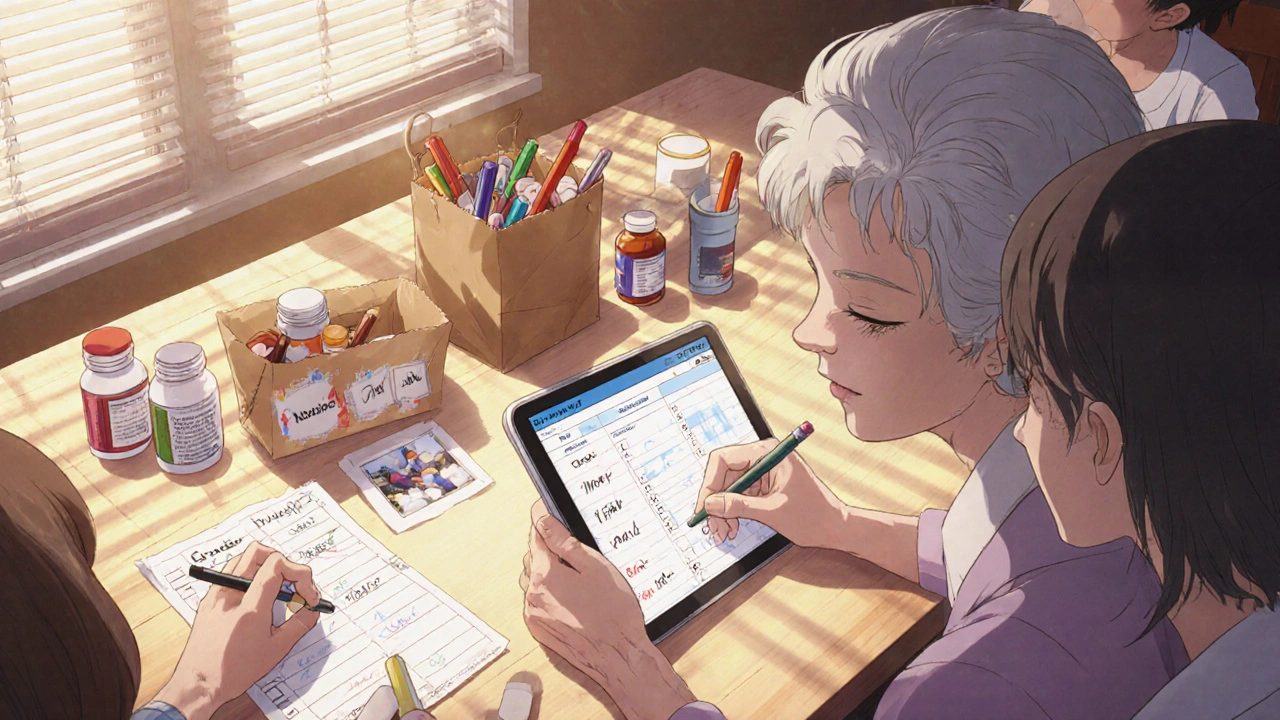
One caregiver on Reddit, u/ElderCareWarrior, started taking photos of each pill and pasting them next to the name on her list. Her mother had dementia and couldn’t tell pills apart. Within six months, she’d prevented three near-misses. Photos work. Don’t underestimate them.
When to Talk to a Pharmacist
Pharmacists are the hidden heroes of medication safety. They know interactions, side effects, and how to simplify regimens. Yet most caregivers never ask for help.
At least once every three months, bring the full medication list to your local pharmacy. Ask: "Is there anything here that shouldn’t be taken together?" or "Are any of these no longer needed?" Pharmacists can spot duplicate drugs, outdated prescriptions, or risky combinations. One study showed they catch potentially harmful medications in 27% of cases.
Many pharmacies now offer free services. CVS and Walgreens will sync your list automatically when prescriptions are refilled. That cuts update time by 75%. Ask if they have a "medication therapy management" program. If your loved one takes eight or more meds, they’re eligible under Medicare guidelines.
Real-Life Impact: What Happens When You Do This Right
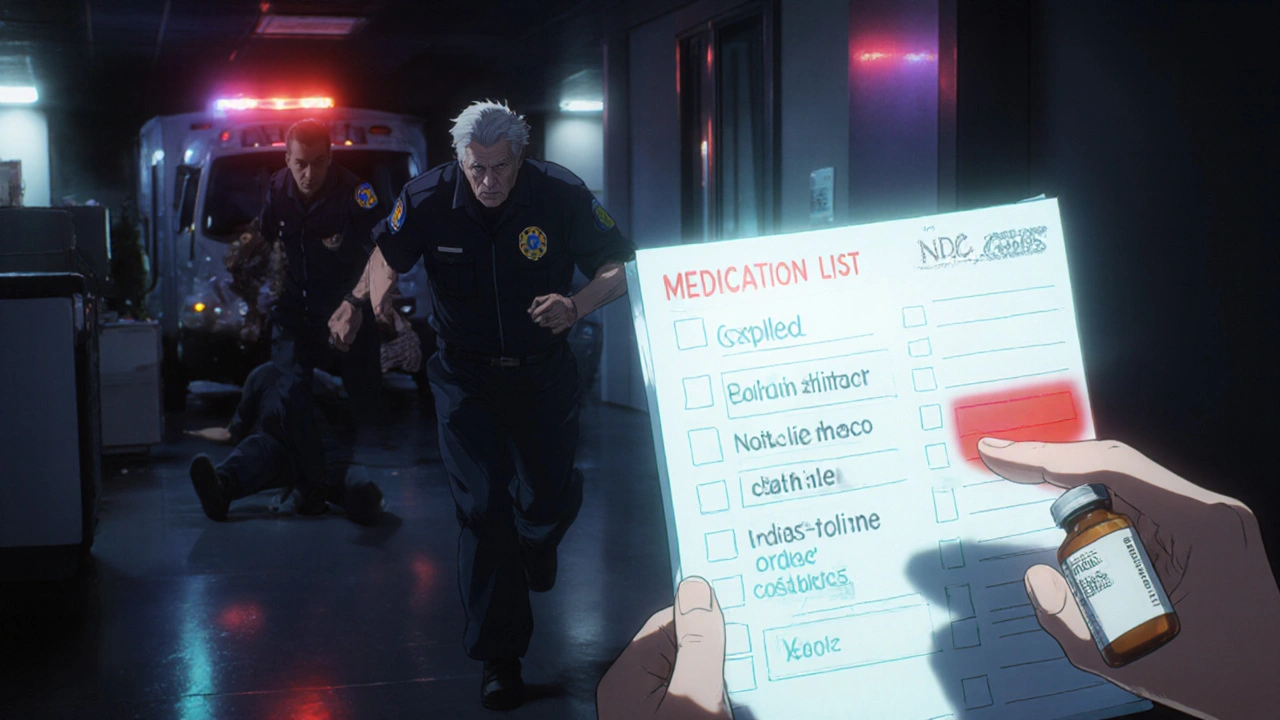
One woman in Ohio, caring for her 84-year-old father with heart failure and diabetes, kept a laminated medication list taped to his walker. When he fell and was rushed to the hospital, the ER team saw the list immediately. They noticed he was taking two different blood thinners-something his cardiologist and primary care doctor didn’t know. They stopped the dangerous combo before he bled internally.
Another family in Florida used the "brown bag method"-bringing all meds to every appointment in a bag. Their doctor spotted three expired antibiotics, a duplicate statin, and a supplement that was causing kidney stress. They saved over $1,200 in unnecessary prescriptions and avoided a hospital stay.
Studies show that caregivers who use a structured list reduce missed doses by 54%. They cut duplicate prescriptions by 31%. And they cut hospital readmissions by nearly half.
This isn’t about being perfect. It’s about being prepared. One list, updated regularly, can mean the difference between staying home and ending up in the ICU.
What’s Next? The Future of Medication Lists
Technology is catching up. The FDA released a new "My Medicines" template in March 2023 with QR codes that link to images of pills and side effect videos. Pharmacies are starting to use them. By 2025, federal rules will require all electronic health records to let patients see their full medication list online. Voice assistants like Alexa and Google Home are being tested to let caregivers say, "What meds did Dad take this morning?" and get a voice reply.
But the core hasn’t changed. The most effective tool is still a clear list, written in plain language, updated after every change, and shared with everyone who helps care for your loved one.
What should I do if my loved one refuses to take their meds?
First, check the medication list. Are they taking too many pills? Are the instructions confusing? Sometimes refusal comes from side effects, cost, or fear. Talk to their pharmacist or doctor about simplifying the regimen-switching to once-daily pills, using pill organizers, or finding cheaper generics. Don’t force it. Work with them. A calm, consistent routine works better than pressure.
How often should I update the medication list?
Update it immediately after any change-new prescription, dose change, or stopping a med. Even if it’s just a note on a sticky note, get it into the list before the next dose. Then review it every Sunday evening. That’s the habit of caregivers who keep things under control.
Can I use a smartphone app instead of paper?
Yes, but only if the person you’re caring for or the caregiver using it finds it easy. Apps like Medisafe work well for tech-savvy users. But if someone struggles with screens, stick with paper. Always have a printed backup. The goal isn’t to use the fanciest tool-it’s to make sure the right info is always available.
What if I’m not sure what a medication is for?
Write "unknown" next to it and ask the prescribing doctor at the next visit. Don’t guess. If it’s an old prescription from years ago, ask if it’s still needed. Many seniors take meds long after they’re useful-and that increases risk. A pharmacist can often tell you the purpose based on the name and dose.
Do I need to include vitamins and supplements?
Absolutely. Supplements like fish oil, garlic pills, or St. John’s Wort can interfere with blood thinners, blood pressure meds, and antidepressants. Treat them like prescriptions. List the name, dose, and why they’re taking it. Many drug interactions come from these "natural" products.
Where should I keep the medication list?
Keep one copy in a visible spot at home-fridge, nightstand, or taped to the medicine cabinet. Keep another in the person’s wallet or purse. Give one to every caregiver, nurse, or family member who helps. And always carry one in the car. In an emergency, seconds count. Don’t make someone search for it.


james lucas
November 23, 2025 AT 23:20