Medication Vision Risk & Symptom Checker
Step 1: Medication Profile
Step 2: Current Symptoms
Check any visual disturbances you are experiencing:
Analysis Complete
Please select a medication to see analysis.
Recommended Action:
Eye Exam Schedule
No specific schedule selected.
Enter your medication details and symptoms on the left to generate a personalized risk assessment and monitoring plan.
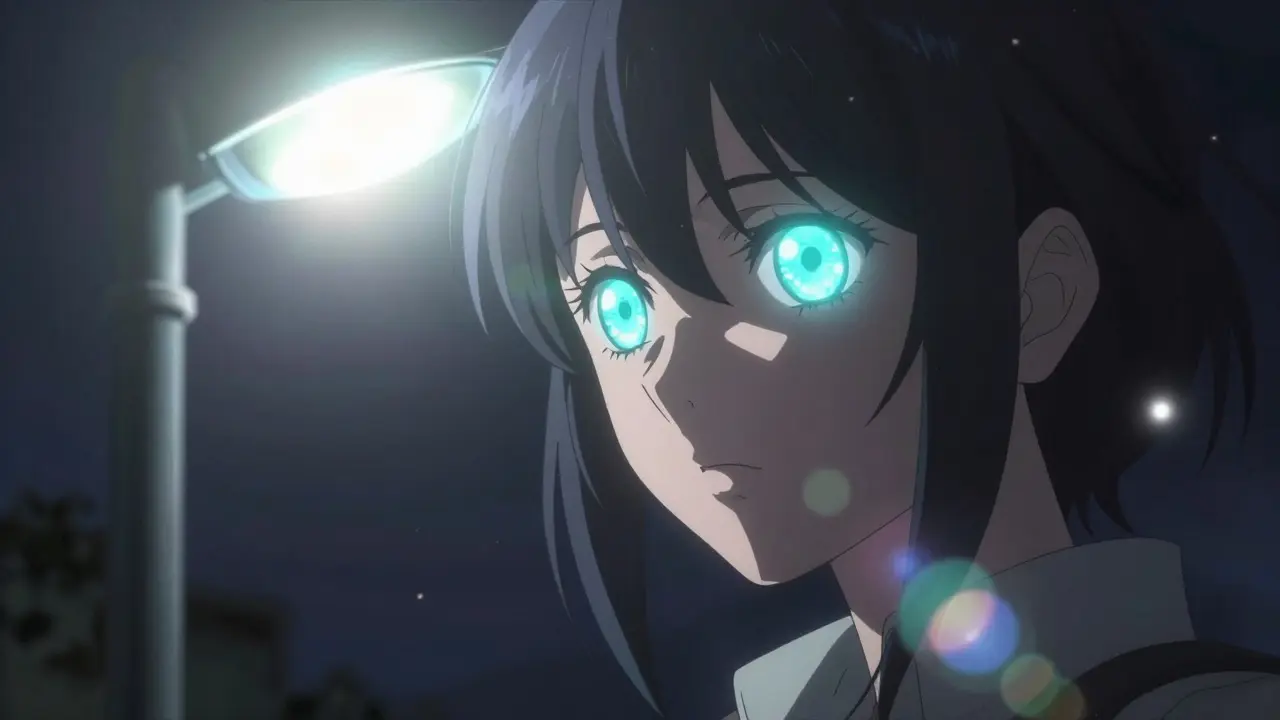
Have you ever looked at a streetlamp or your computer screen and suddenly seen a giant ring of light surrounding it? Or maybe bright sunlight feels like a physical blow to your face, making you squint until tears form? If you recently started a new prescription, these aren't just annoying quirks-they might be warning signs from your eyes.
We often focus on stomach upset or drowsiness when reading medication leaflets, but visual disturbances are common, serious, and frequently overlooked. Conditions like photophobia (light sensitivity) and seeing halos around lights can stem directly from the drugs you take for heart conditions, arthritis, depression, or infections. The good news? Most of these issues are manageable if you catch them early and know what to look for.
Why Do Medications Affect Your Vision?
Your eyes are incredibly sensitive organs, and many drugs interact with the delicate structures inside them. When you see halos or feel pain from light, it’s usually because the medication has altered how your cornea, lens, or retina processes visual information. Sometimes, the drug causes fluid buildup or swelling in the front of the eye, scattering light as it enters. Other times, it affects the nerves that connect your eyes to your brain, causing the brain to overreact to normal light levels-a phenomenon experts call thalamic hyperactivity.
For instance, some drugs cause dry eye syndrome, which disrupts the smooth surface of your eye. Without a proper tear film, light scatters unevenly, creating those fuzzy rings around headlights at night. In more severe cases, medications can deposit pigments in the cornea or damage the retina itself. Understanding this mechanism helps you realize that these symptoms are physiological reactions, not just "in your head," and they require medical attention rather than just patience.
Common Culprits: Which Drugs Cause Visual Issues?
Not every pill will affect your sight, but several classes of medications are notorious for causing halos and light sensitivity. Knowing which ones you’re taking is the first step in protecting your vision.
- Antimalarials: Hydroxychloroquine (Plaquenil) is used for lupus and rheumatoid arthritis. It can accumulate in the retina, leading to irreversible damage. While early stages may only show mild light sensitivity, long-term use without monitoring carries a significant risk of permanent vision loss.
- Heart Medications: Amiodarone (Cordarone) is a powerful anti-arrhythmic drug. Up to 10% of users report seeing green or yellow halos around lights. This is often due to microscopic deposits forming in the cornea.
- Erectile Dysfunction Drugs: Medications like Sildenafil (Viagra) can cause temporary blue-tinted vision and increased sensitivity to light. This happens because the drug affects the cGMP pathway in the retina, similar to how it works in blood vessels.
- Antipsychotics: Older antipsychotics like Chlorpromazine (Thorazine) can cause pigment changes in the eye and severe dryness, leading to blurry vision and discomfort in bright environments.
- NSAIDs: Common painkillers like ibuprofen and naproxen can trigger painful light sensitivity in about 1-3% of users, particularly if taken frequently for migraines, which already involve light sensitivity.
If you are taking any of these, don’t panic-but do pay attention to changes in how you see. Sudden onset of halos or pain from light should never be ignored.
The Danger of Silent Damage: Why Monitoring Matters
The most frightening aspect of medication-induced eye damage is that it can be silent. You might not notice anything wrong until the damage is done. For example, retinal toxicity from hydroxychloroquine is asymptomatic in its early stages. By the time you notice blind spots or difficulty reading, the nerve cells may already be dead.
This is why regular eye exams are non-negotiable for certain patients. Studies show that strict adherence to monitoring guidelines reduces severe retinal toxicity from 7.3% to just 1.2% over five years. That’s a massive difference. If you are on high-risk meds, your ophthalmologist isn’t just checking your prescription strength; they are looking for microscopic changes in your retina using specialized scans like spectral-domain OCT (optical coherence tomography).
| Medication | Primary Risk | Recommended Eye Exam Frequency |
|---|---|---|
| Hydroxychloroquine | Retinal damage | Baseline exam, then annually after 5 years of use (or immediately if high dose) |
| Tamoxifen | Corneal clouding, retinal deposits | Baseline exam, then annual monitoring |
| Ethambutol | Optic nerve damage | Monthly vision testing during treatment |
| Amiodarone | Corneal deposits (halos) | Every 6-12 months, especially if visual symptoms appear |
Immediate Relief: Coping with Light Sensitivity
While you wait for your doctor’s appointment or work through the adjustment period, you need practical ways to manage the discomfort. Living with photophobia can drain your energy and make simple tasks like driving or working on a computer unbearable. Here are actionable steps to reduce the strain.
Switch to Warm Lighting: Harsh white or blue-heavy LED bulbs are the enemy of sensitive eyes. Replace your home lighting with warm-toned LEDs (2700K-3000K color temperature). Dim them to 50-70% brightness. This reduces the intensity of the light spectrum that triggers neural pain responses.
Use Specialized Tints: Standard sunglasses often aren’t enough because they block all light equally, forcing your pupils to dilate, which lets in more stray light. Instead, look for lenses with FL-41 tint. These rose-colored filters specifically block the wavelengths of light that trigger migraine-like pain and photophobia. Clinical studies suggest they can reduce symptom severity by 40-60%. Brands like TheraSpecs offer these as affordable options.
Follow the 20-20-20 Rule: Adapt this classic advice for sensitive eyes. Every 20 minutes, look at something 20 feet away for 20 seconds, but do so in dimmed lighting. This gives your optic nerve a break from processing high-contrast images and reduces the accumulation of visual fatigue.
Avoid Driving at Night: If halos are affecting your ability to distinguish lane markers or oncoming headlights, stop driving at night. This isn’t just about comfort; it’s about safety. Halos scatter light, reducing contrast and reaction time. Until your doctor clears you, rely on public transport or rideshares.
When to Seek Emergency Care
Most medication-related eye issues develop slowly, but some are emergencies. You need to go to an emergency room or urgent care immediately if you experience:
- Sudden, severe eye pain accompanied by nausea or vomiting.
- Rainbow-colored halos around lights that appear suddenly, especially if your vision becomes blurry.
- Loss of peripheral vision or sudden blind spots.
These symptoms could indicate acute angle-closure glaucoma, a condition where pressure builds up rapidly in the eye. Certain medications, including some antidepressants and antihistamines, can trigger this by dilating the pupil and blocking fluid drainage. Without treatment within 24-48 hours, you can lose vision permanently. Don’t wait for a routine appointment-act fast.
Talking to Your Doctor About Side Effects
Many patients suffer in silence because they assume the side effect is "normal" or fear their doctor will dismiss them. This is a dangerous mindset. Your doctor needs to know if your medication is affecting your quality of life or safety.
Prepare for your visit by keeping a log. Note when the halos appear, how bright the light was, and whether you felt pain. Bring this log to your appointment. Ask specific questions: "Could this be related to my medication?" "Do I need a baseline eye exam?" "Are there alternative drugs with fewer ocular side effects?"
In many cases, adjusting the dosage or switching to a different class of medication can resolve the issue entirely. For example, if amiodarone causes intolerable halos, your cardiologist might consider other anti-arrhythmics. Never stop taking prescribed medication on your own, but always advocate for your health. Your vision is precious, and preventing damage is far easier than treating it.
How long does light sensitivity from medication last?
It depends on the drug. For medications like sildenafil (Viagra), light sensitivity is usually temporary and resolves within 24-48 hours after the drug leaves your system. For chronic medications like amiodarone or antipsychotics, symptoms may persist as long as you take the drug. However, stopping the medication under a doctor's supervision often leads to improvement within 7-14 days. Permanent sensitivity is rare unless there is underlying retinal damage.
Can hydroxychloroquine blindness be reversed?
No. Retinal damage caused by hydroxychloroquine is irreversible. Once the nerve cells in the retina die, they do not regenerate. This is why prevention through regular screening is critical. Early detection allows doctors to stop the medication before significant vision loss occurs, preserving the vision you have left.
What kind of glasses help with medication-induced halos?
Standard polarized sunglasses help with glare but may not fix halos caused by corneal deposits. For halos, anti-reflective coatings on prescription lenses can reduce internal reflections. For light sensitivity (photophobia), FL-41 tinted lenses are clinically proven to filter out the specific light wavelengths that trigger pain. Wraparound styles also help block peripheral light from entering the eyes.
Is it safe to drive if I see halos around lights?
If the halos are mild and constant, you may adapt to them. However, if they are new, worsening, or significantly impair your ability to see road signs and other cars, you should not drive, especially at night. Halos scatter light and reduce contrast, increasing the risk of accidents. Consult your eye doctor before resuming night driving.
Do NSAIDs like ibuprofen really cause eye problems?
Yes, though it is less common. About 1-3% of people taking NSAIDs experience painful light sensitivity. This is thought to be related to inflammatory pathways affecting the eye's surface. If you take ibuprofen or naproxen regularly and notice new eye pain or sensitivity, mention it to your doctor. They may recommend a different pain management strategy.