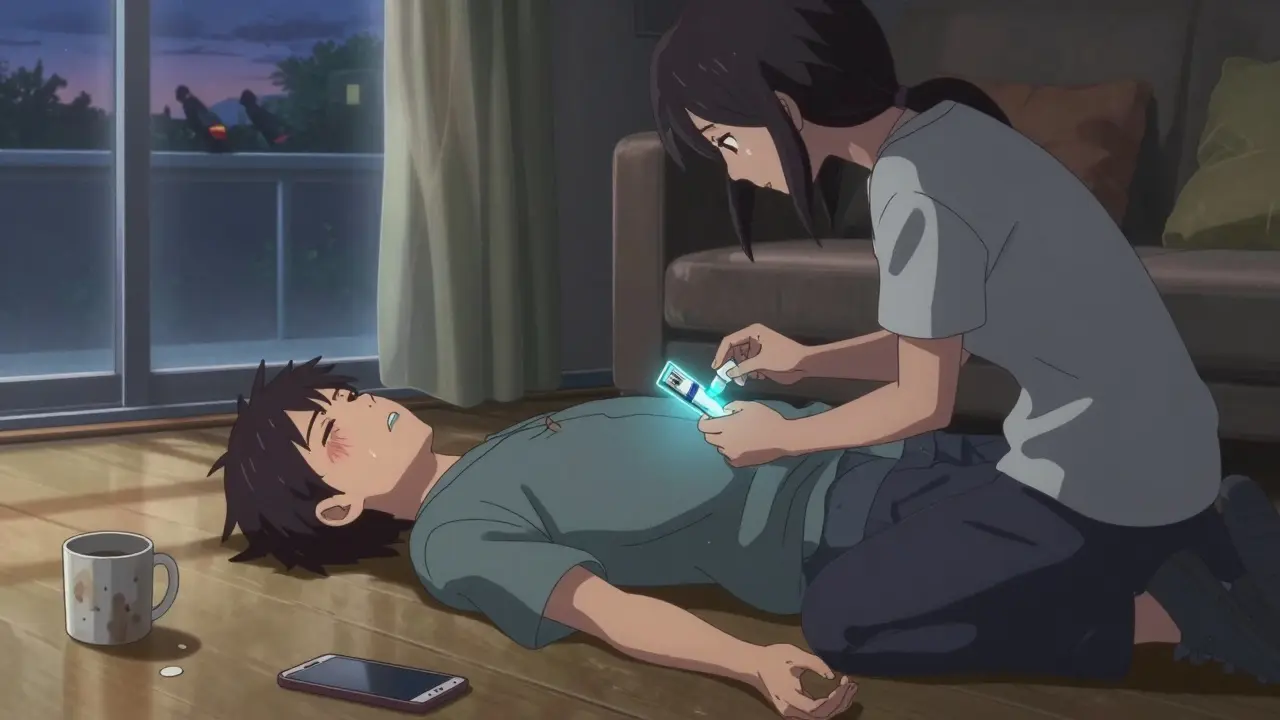
When someone overdoses on opioids, time isn’t just a factor-it’s the only thing that matters. Every minute without oxygen can mean the difference between life and brain damage. Opioid overdoses don’t always look like what you see in movies. There’s no dramatic collapse or screaming. Often, it’s quiet. The person is unresponsive. Their breathing is shallow, slow, or gone. Their lips turn blue or gray. Their skin feels cold and clammy. And if you don’t act, they won’t wake up.
What Happens During an Opioid Overdose?
Opioids-whether prescription painkillers like oxycodone, heroin, or synthetic drugs like fentanyl-bind to receptors in the brain that control breathing. When too much enters the system, those receptors get overwhelmed. The brain stops telling the lungs to breathe. Breathing slows to fewer than 12 breaths per minute. In severe cases, it stops entirely. Without oxygen, the brain starts to die after just four minutes. That’s why immediate action is critical.Fentanyl is the biggest threat today. It’s 50 to 100 times stronger than morphine. Most illicit drugs now contain fentanyl, often without the user’s knowledge. In 2023, over 87,000 of the 112,000 overdose deaths in the U.S. involved opioids, and 88% of those were due to fentanyl. This isn’t a rare event-it’s happening every day, in homes, parks, and public restrooms.
How to Recognize an Opioid Overdose
You don’t need medical training to spot the signs. Look for these three key indicators:- Unresponsiveness: Shake the person firmly and shout their name. If they don’t respond at all-not even a groan or twitch-they’re in danger.
- Abnormal breathing: Check if they’re breathing. If they take fewer than two breaths every 15 seconds, or if their breaths are irregular, gasping, or silent, this is a red flag.
- Cyanosis: Look at their lips, fingertips, or nail beds. In lighter skin, they may look blue or purple. In darker skin, they may appear ashen, gray, or white.
Other signs include pinpoint pupils (tiny dark circles in the center of the eyes), gurgling or snoring sounds (like they’re choking), and cold, clammy skin. If you see even one of these signs, assume it’s an overdose. Don’t wait for all of them.
Why Naloxone Works
Naloxone is the only medication that can reverse an opioid overdose. It’s been around since 1961, but it wasn’t widely available until recently. Today, it comes in easy-to-use forms: a nasal spray (like Narcan) or an auto-injector (like Evzio). Both work by kicking opioids off the brain’s receptors, allowing breathing to restart.Here’s how it works: Naloxone has a stronger grip on opioid receptors than most opioids do. When you give it, it displaces the drugs blocking the breathing center. Within 2 to 5 minutes, the person should start breathing again. It doesn’t work on alcohol, cocaine, or benzodiazepines-so if you’re unsure whether opioids are involved, give it anyway. It won’t hurt someone who doesn’t need it.
But there’s a catch: naloxone’s effects last only 30 to 90 minutes. Fentanyl and other long-acting opioids can stay in the body for hours. That means the person can stop breathing again after naloxone wears off. This is why calling 911 is non-negotiable-even if they wake up.
How to Administer Naloxone
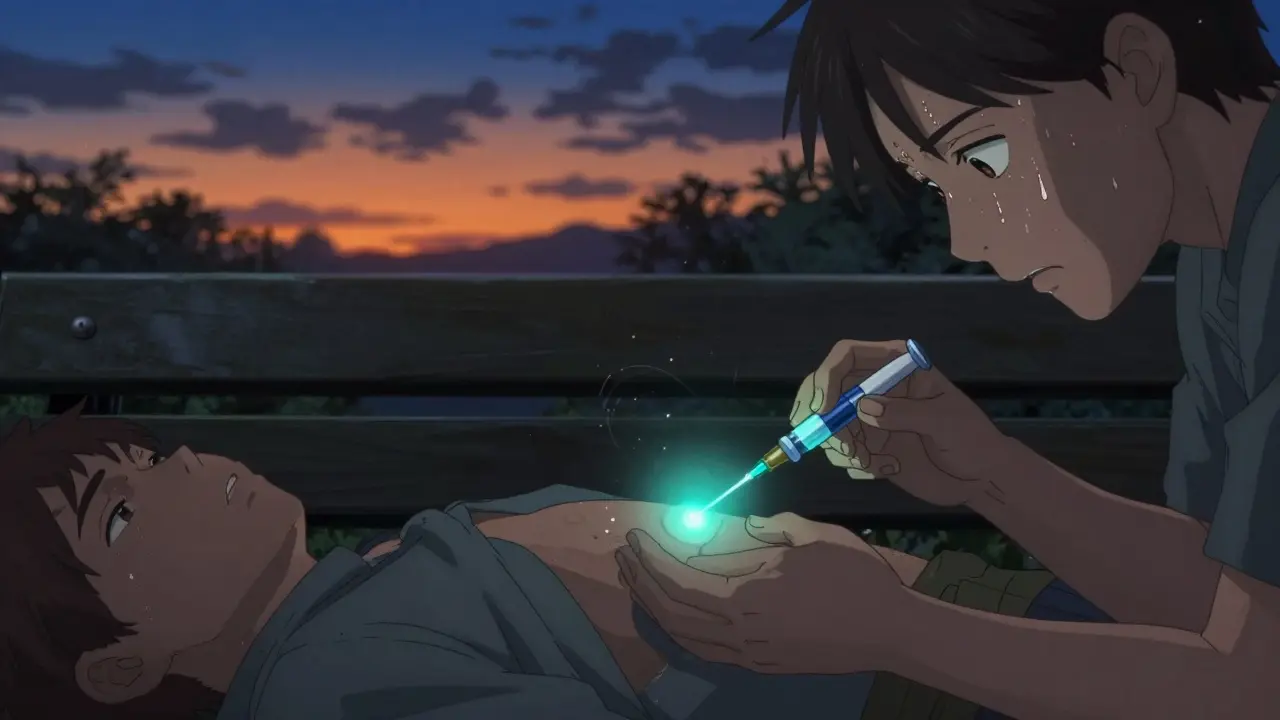
There are two common ways to give naloxone: nasal spray and injection. Both are simple.For Nasal Spray (Narcan):
- Call 911 immediately. Tell them it’s a possible opioid overdose.
- Place the person on their back.
- Remove the spray from its package. Don’t test it-just pull the tab.
- Tilt the head back slightly. Insert the nozzle into one nostril.
- Press the plunger firmly to deliver the full dose.
- Wait 2-3 minutes. If there’s no improvement, give a second dose in the other nostril.
For Injection (Intramuscular):
- Call 911.
- Expose the person’s thigh. You can inject through clothing if needed.
- Insert the needle at a 90-degree angle and push the plunger.
- Wait 2-3 minutes. If no response, give a second dose in the other thigh.
After giving naloxone, stay with the person. Turn them onto their side in the recovery position. This keeps their airway open if they vomit. Keep monitoring their breathing. Even if they wake up, they need medical care. Rebound overdose is real. And complications like fluid in the lungs can develop hours later.
What Not to Do
There are dangerous myths out there. Don’t:- Put them in a cold shower or bath-it can cause drowning or shock.
- Give them coffee, salt, or sugar. These won’t help and may make things worse.
- Leave them alone after they wake up. Naloxone wears off. They can stop breathing again.
- Wait to call 911 because you’re scared of the police. Good Samaritan laws protect you in 47 U.S. states and all Canadian provinces if you call for help during an overdose.
Who Should Have Naloxone?
Anyone who uses opioids-or lives with, works with, or cares for someone who does-should have naloxone on hand. That includes:- People prescribed high-dose painkillers (50+ morphine milligram equivalents per day)
- People using heroin or street drugs
- People who use opioids with alcohol or benzodiazepines
- Family members, friends, and coworkers of people with substance use disorders
- Staff at shelters, outreach programs, and community centers
In 2023, over 1.2 million naloxone kits were distributed in the U.S. alone. But experts say we need at least 2.1 million to meet demand. Many people still can’t afford it. Prices range from $25 to $130 per kit, though generics have dropped costs by 40% since 2022. Pharmacies in most states now sell naloxone without a prescription. Community groups, clinics, and harm reduction centers often give it out for free.
Real Stories, Real Results
One person in Massachusetts used Narcan to save three lives in 2022. The first time, it took four minutes for breathing to return. The second time, they needed two doses because the drug was laced with fentanyl. In Texas, a woman revived her brother after he stopped breathing. He woke up coughing 90 seconds after the spray. The EMTs told her if she’d waited just two more minutes, he wouldn’t have made it.These aren’t rare cases. A 2022 survey of 1,200 community programs found naloxone reversed overdoses successfully in 87% of cases when given quickly. YouTube tutorials have been viewed over 1.2 million times. People are learning. People are saving lives.
What Comes After Naloxone?
Naloxone saves lives-but it doesn’t fix the problem. It’s a bandage on a wound that needs surgery. People who survive overdoses need access to treatment: medication-assisted therapy with methadone, buprenorphine, or naltrexone. They need counseling. They need housing, jobs, and support.Experts agree: naloxone alone won’t end the crisis. But without it, thousands more would die this year. The CDC says bystander use of naloxone reduces overdose deaths by 35% to 50%. Dr. Caleb Alexander of Johns Hopkins estimates that since 2019, naloxone has prevented about 27,000 deaths in the U.S. alone.
That’s not luck. That’s action.
Final Thoughts
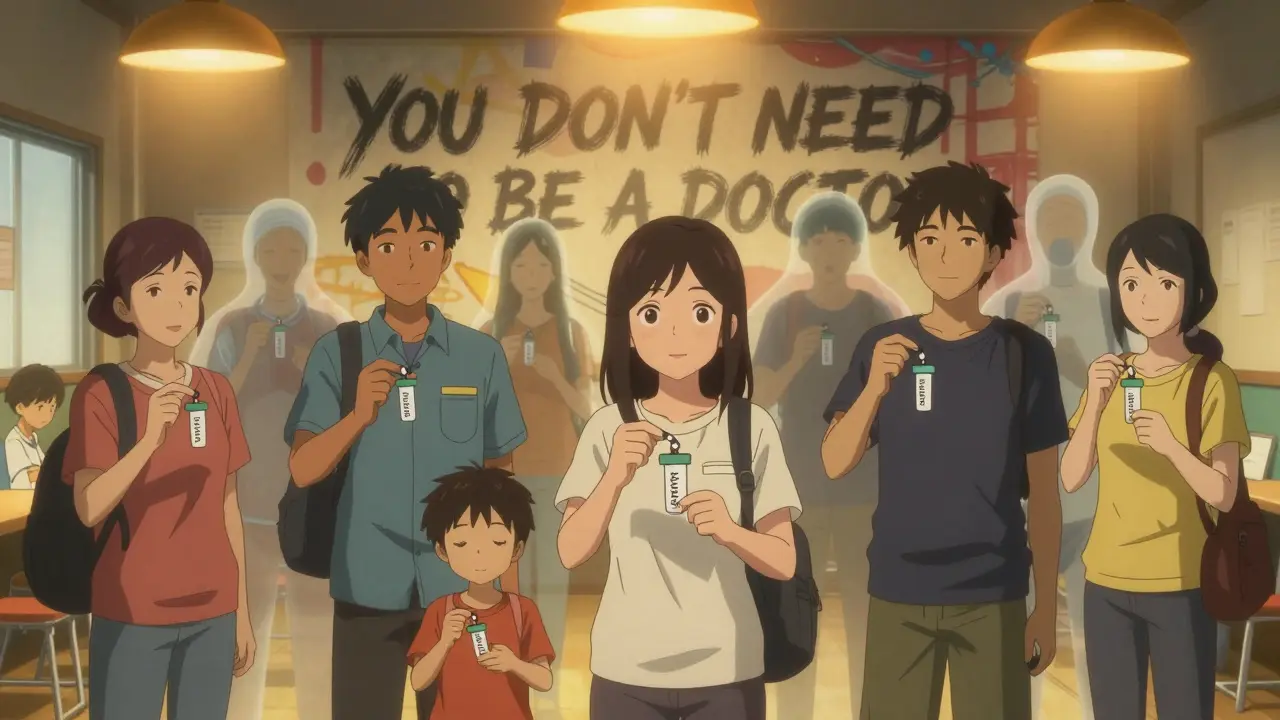
You don’t need to be a doctor to save a life. You just need to know the signs. You just need to act. Keep a naloxone kit where you can find it-in your car, your bag, your home. Learn how to use it. Practice with a trainer device. Talk to the people you care about.Because the next time someone stops breathing, it might be someone you love. And if you’re ready, you might just be the reason they wake up.
Can naloxone harm someone who didn’t overdose on opioids?
No. Naloxone only works on opioid receptors. If someone hasn’t taken opioids, naloxone has no effect. It won’t cause harm, trigger withdrawal, or make someone feel worse. If you’re unsure whether opioids are involved, give it anyway. It’s safe.
How long does naloxone last, and why might someone need more than one dose?
Naloxone typically lasts 30 to 90 minutes. Many opioids, especially fentanyl, last much longer-up to 6 hours. This means the overdose can return after naloxone wears off. If the person stops breathing again, give a second dose. For fentanyl overdoses, health agencies recommend giving a second dose after 2 to 3 minutes if there’s no improvement.
Can I get naloxone without a prescription?
Yes. In all 50 U.S. states and across Canada, you can get naloxone from pharmacies without a prescription. Many pharmacies sell it for under $40, especially generic versions. Community health centers and harm reduction programs often provide it for free.
What should I do after giving naloxone?
Call 911 immediately. Even if the person wakes up, they need medical evaluation. Naloxone’s effects wear off quickly, and the overdose can return. Stay with them. Turn them onto their side to prevent choking if they vomit. Monitor their breathing until help arrives.
Is naloxone effective against fentanyl overdoses?
Yes. Naloxone works against fentanyl, but because fentanyl is so strong, you may need two or more doses. Many people who overdose on fentanyl require a second dose within minutes. Always be prepared to give more than one dose if breathing doesn’t return.


Milad Jawabra
March 6, 2026 AT 04:12