Opioid Overdose Response Checklist
How to use: Tap each step as you complete it during an emergency. This tool helps you stay calm and follow the correct sequence of actions.
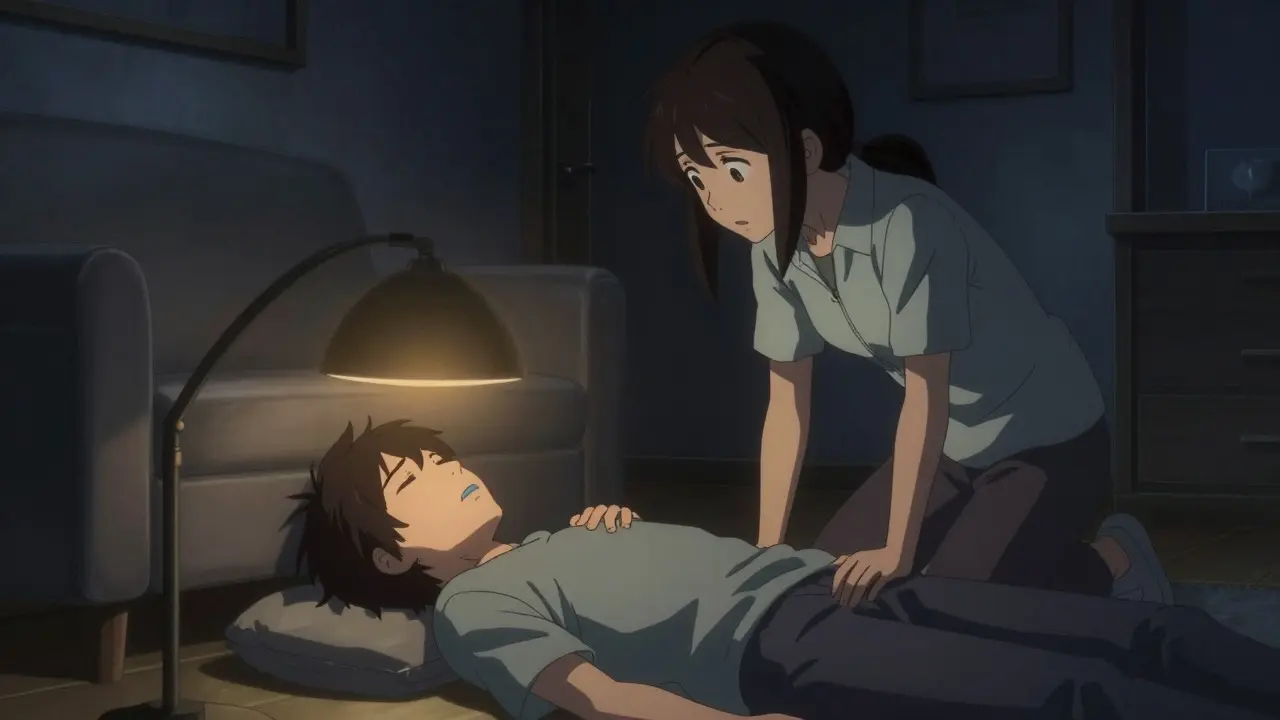
Imagine finding a friend unresponsive on the floor. Their breathing is shallow, their lips are turning blue, and they don’t wake up when you shout their name. In those critical minutes, your actions determine whether they survive or face permanent brain damage. An opioid overdose is a life-threatening medical emergency where opioids suppress the brain's respiratory control system, leading to dangerously slowed or stopped breathing. It is not just about feeling sleepy; it is a physiological failure that can kill within minutes if untreated.
The stakes are higher than ever. With synthetic opioids like fentanyl becoming increasingly common in illicit drug supplies, even small doses can be fatal. Understanding the specific signs of an overdose and knowing exactly how to administer naloxone (often known by the brand name Narcan) is no longer just a medical skill-it is a basic survival tool for families, friends, and communities across the UK and beyond.
Key Takeaways
- Respiratory depression is the primary killer in opioid overdoses, causing oxygen deprivation that damages brain cells within 4-6 minutes.
- The classic triad of symptoms includes pinpoint pupils, unconsciousness, and slow or absent breathing, though not all signs may be present simultaneously.
- Naloxone works quickly but wears off fast (30-90 minutes), meaning patients often need multiple doses until professional help arrives.
- There is no risk of harm from giving naloxone to someone who hasn't taken opioids, so hesitation should never delay treatment.
- Post-overdose care is crucial, as survivors need medical evaluation to check for organ damage and support to prevent recurrence.
Recognizing the Warning Signs
Spotting an opioid overdose early is half the battle. The condition occurs when opioids bind to receptors in the brainstem, interrupting the signals that tell your body to keep breathing. When these signals stop, oxygen levels drop rapidly. You are looking for a combination of physical cues that distinguish an overdose from simple sleep or intoxication.
The most reliable indicators form what medical professionals call the diagnostic triad:
- Unresponsiveness: The person cannot be woken up by shaking, shouting, or rubbing their sternum. They are not just drowsy; they are comatose.
- Respiratory Depression: Breathing becomes slow, shallow, weak, or stops entirely. You might hear gurgling, snoring, or choking sounds as the airway relaxes and obstructs.
- Pupillary Changes: Pupils constrict to tiny pinpoints (miosis). While this is a classic sign, note that it isn't always present, especially if other drugs are involved.
Beyond the triad, look for secondary signs. The skin may become cold and clammy. Lips and fingernails might turn blue, purple, or grey due to lack of oxygen (cyanosis). The body will feel limp rather than rigid. In some cases, you might see stiffening or seizure-like movements, which can be mistaken for epilepsy but are actually part of the hypoxic response. If you suspect an overdose, do not wait for all symptoms to appear. Action must be immediate.
The Critical First Steps: Emergency Response Protocol
Time is the enemy in an overdose scenario. Irreversible brain damage begins after just four to six minutes without oxygen. Your goal is to restore breathing and get professional help on scene. Here is the step-by-step protocol recommended by major health authorities like the CDC and NHS:
- Call Emergency Services Immediately: Dial 999 (UK) or 911 (US) right away. Tell them you suspect an opioid overdose. This ensures paramedics are en route while you treat the patient.
- Check Responsiveness and Breathing: Shake the person gently and shout their name. Watch their chest for at least 10 seconds. Is there any movement? Are they making normal breathing sounds?
- Administer Naloxone: If available, give naloxone immediately. Do not wait for the ambulance. Do not worry about dosing errors-more is better than less in this context.
- Begin Rescue Breathing if Needed: If the person is not breathing or breathing inadequately, start CPR. Focus on rescue breaths. Each time you give two breaths, check for signs of waking up.
- Reposition for Airway Safety: Place the person in the recovery position (on their side) to prevent choking on vomit if they regain consciousness before the ambulance arrives.
- Stay Until Help Arrives: Monitor the patient continuously. They may wake up, breathe deeply, and then slip back into unconsciousness as the naloxone wears off.
A common misconception is that you need to know for sure if it was an opioid before acting. You don't. If the signs match, treat it as an opioid overdose. The worst-case scenario of giving naloxone to someone with a non-opioid issue is minimal compared to the risk of waiting too long.
Understanding Naloxone: How It Works and What to Expect
Naloxone is a competitive mu-opioid receptor antagonist that rapidly displaces opioids from brain receptors, reversing their effects. Think of it as a key that unlocks the door the opioid locked shut. It binds to the same receptors in the brain but blocks the opioid’s action, forcing the body to resume normal breathing.
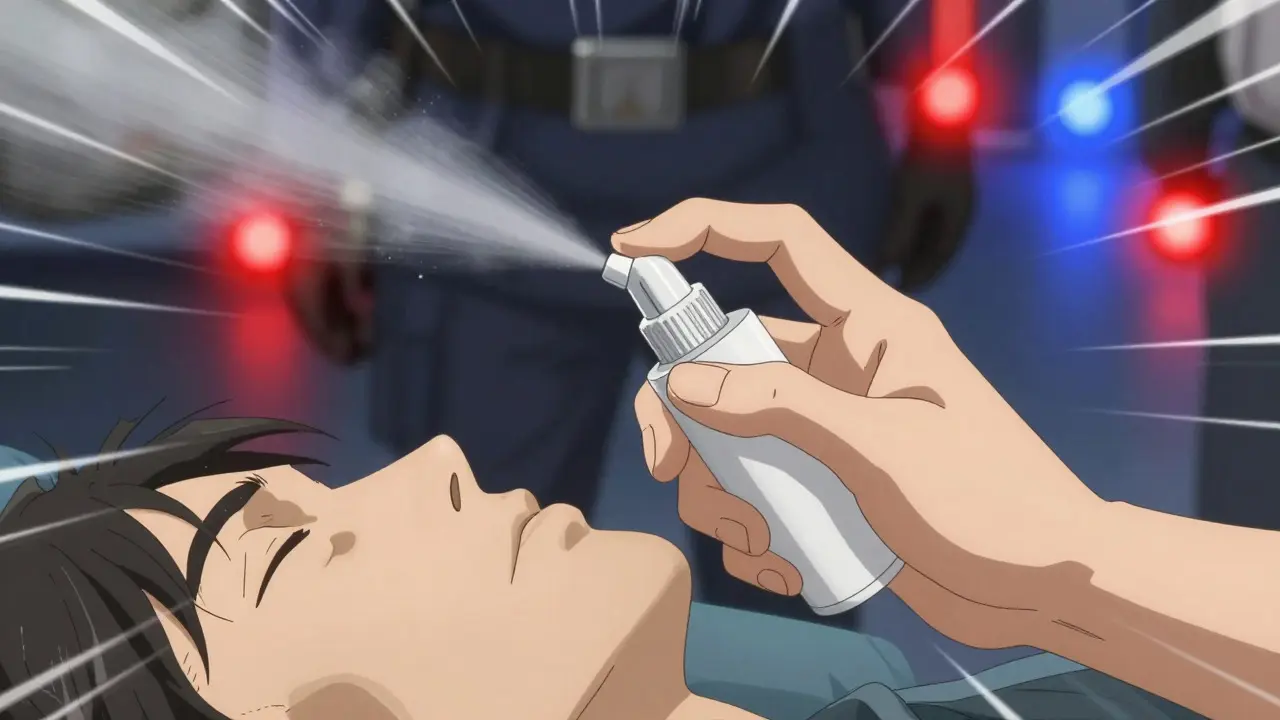
Naloxone comes in several forms, but intranasal sprays are the most common for laypeople because they require no needles and are easy to use. Intramuscular injections are also used by first responders. Here is what you need to know about its pharmacokinetics:
| Feature | Intranasal Spray | Intramuscular Injection |
|---|---|---|
| Onset of Action | 2-5 minutes | 2-5 minutes |
| Duration of Effect | 30-90 minutes | 30-90 minutes |
| User Skill Required | Low (spray into one nostril) | Medium (requires needle and training) |
| Risk of Re-sedation | High (wears off faster than many opioids) | High (wears off faster than many opioids) |
The short duration of action is a critical detail. Many modern opioids, particularly fentanyl, have a longer half-life than naloxone. This means the patient might wake up, breathe normally, and seem fine, only to fall back asleep and stop breathing again 30 minutes later. This is why monitoring is essential. If the person becomes unresponsive again, you may need to administer a second dose of naloxone. There is no maximum dose limit for saving a life in an emergency setting.
Will naloxone hurt them? Not really. It doesn't cause pain directly, but it can precipitate withdrawal symptoms if the person is physically dependent on opioids. They might sweat, shake, or feel agitated. While unpleasant, withdrawal is far preferable to death. And remember: naloxone has no effect on people who haven't taken opioids, so there is zero risk in using it when in doubt.
The Fentanyl Factor: Why Modern Overdoses Are Different
The landscape of opioid overdose has changed dramatically since the late 2010s. The rise of synthetic opioids, specifically fentanyl, has made the crisis more unpredictable. Fentanyl is 50 to 100 times more potent than morphine. A single milligram can be lethal, which is roughly the weight of a few grains of sand.
This potency creates two major challenges for responders:
- Unknown Potency: Illicit pills sold as Xanax or Adderall may contain fentanyl. Users think they are taking a safe dose of a familiar drug, but they are actually consuming a high-risk opioid.
- Mixed Substances: Many overdoses involve combinations of opioids, stimulants (like cocaine or methamphetamine), and benzodiazepines. Stimulants can mask the sedative effects of opioids initially, making it harder to recognize the onset of respiratory depression until it is severe.
Because of this unpredictability, public health experts recommend carrying naloxone if you know anyone who uses opioids, even if they claim to only use "safe" drugs. Fentanyl test strips are another harm reduction tool that can detect the presence of fentanyl in a sample, but they are not perfect and should not replace the availability of naloxone.
After the Ambulance Leaves: Post-Overdose Care
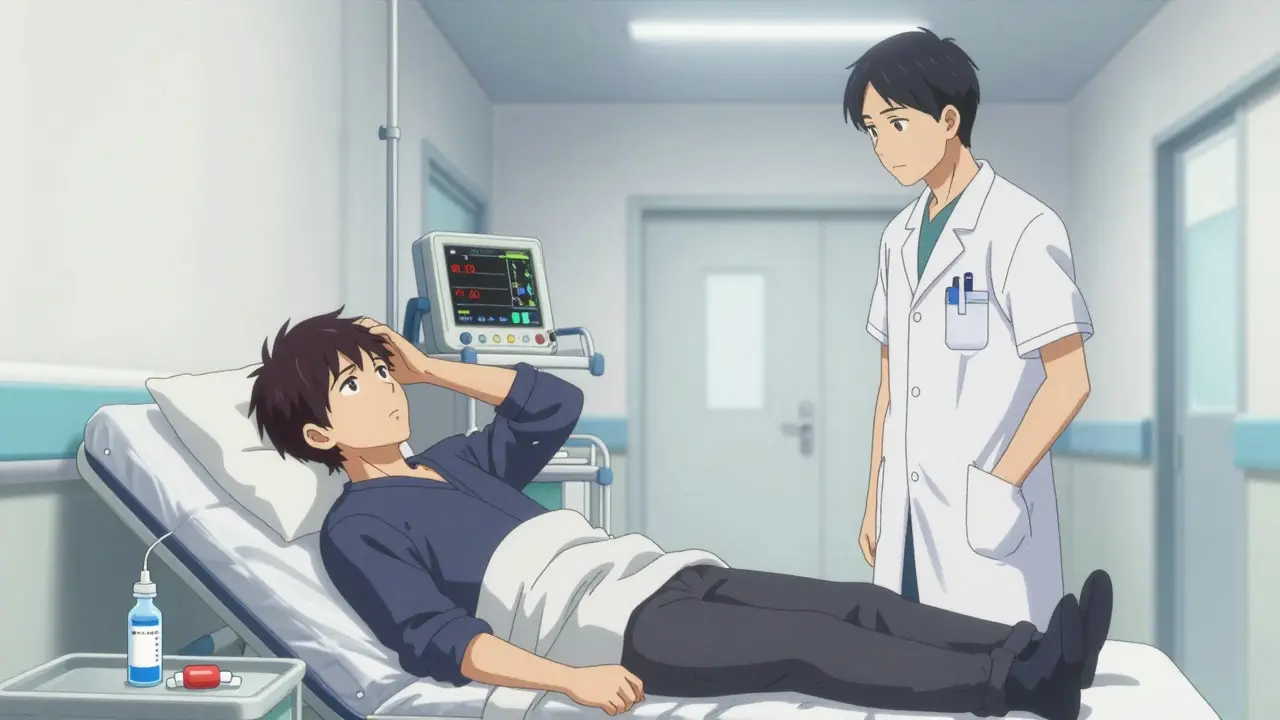
When the paramedics arrive and the patient is stabilized, the job isn't done. Surviving an overdose is a medical event, not just a close call. The brain and other organs may have suffered silent damage during the period of low oxygen.
Immediate post-event steps include:
- Medical Evaluation: The patient should stay in the hospital for observation. Doctors will check for aspiration pneumonia (lung infection from inhaling vomit), rhabdomyolysis (muscle breakdown), and other complications.
- Psychological Support: Trauma from near-death experiences is real. Access to counseling or mental health support helps process the shock and fear.
- Prevention Planning: Work with a healthcare provider to develop a plan. This might include medication-assisted treatment (MAT) for opioid use disorder, safer storage of medications, or peer support groups.
For the responder, take a moment to breathe. Adrenaline fades quickly, and the emotional weight of having saved a life-or watched someone struggle-can be heavy. Debriefing with a friend or professional can help manage the stress.
Frequently Asked Questions
Can I give too much naloxone?
In an emergency, it is very difficult to give a toxic dose of naloxone. The main risk is giving too little, which delays reversal. If the person does not respond to the first dose, wait two minutes and then administer another dose. There is no strict upper limit in a life-or-death situation.
What if the person wakes up but seems confused or angry?
Confusion, agitation, and anger are common as the person regains consciousness. They may not remember what happened. Keep them calm, speak softly, and keep them in the recovery position until the ambulance arrives. Do not let them leave the scene, as they could re-sedate once the naloxone wears off.
Does naloxone work on heroin and fentanyl?
Yes. Naloxone works on all opioids, including natural ones like heroin and codeine, as well as synthetics like fentanyl and oxycodone. However, because fentanyl is so potent, you may need multiple doses to fully reverse the effects.
How long should I monitor the person after they wake up?
Monitor them continuously until professional medical help takes over. Since naloxone lasts only 30 to 90 minutes, and many opioids last longer, the person is at risk of falling back into unconsciousness. Check their breathing every few minutes.
Where can I get naloxone in the UK?
In the UK, naloxone is available from pharmacies, often without a prescription if you explain the need. Local drug services, community centers, and some GP surgeries also stock it. Check with your local pharmacy or health visitor for current availability in your area.