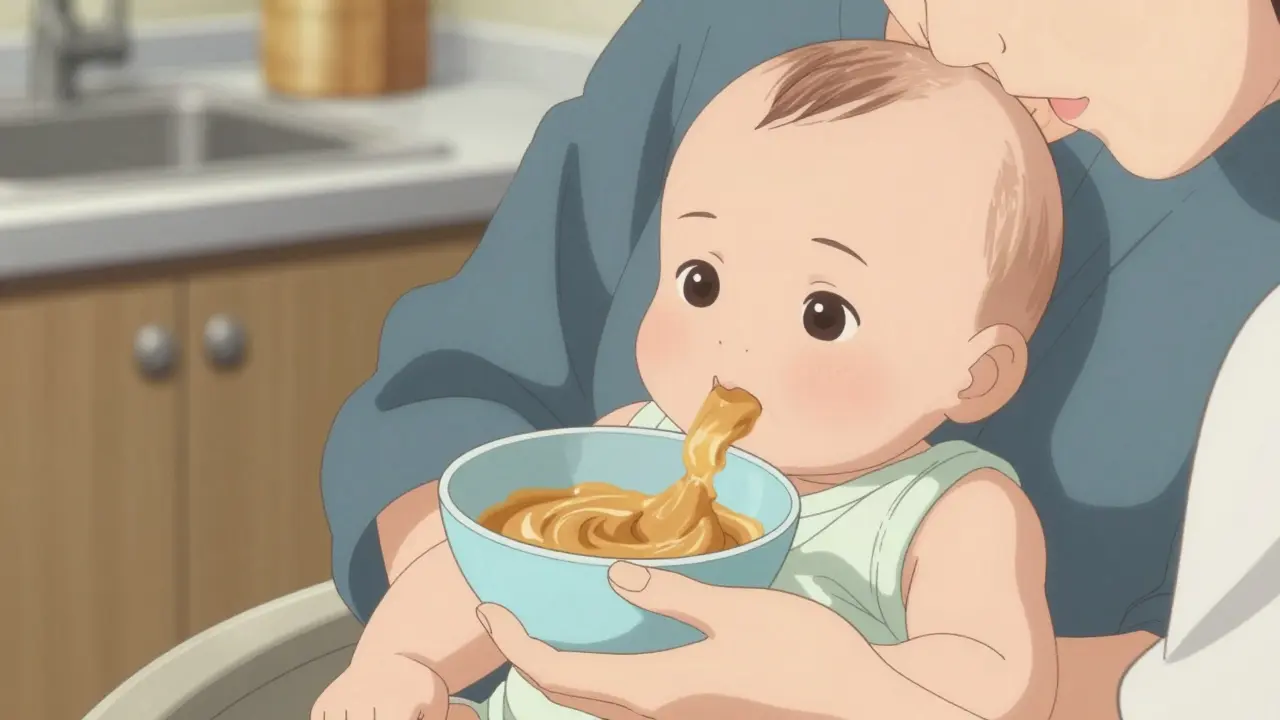
Imagine telling a parent that giving their baby peanut butter could save them from a life-threatening reaction. That sounds counterintuitive if you grew up hearing about avoiding allergens. Yet, medical science has turned this idea upside down over the last decade. As of 2026, we know that approximately 2.2% of children in the United States live with Peanut Allergy, a condition causing roughly 200,000 emergency room visits every year according to Food Allergy Research & Education (FARE) data. But here is the breakthrough: introducing peanuts early doesn’t cause allergies-it prevents them.
This isn't just theory anymore. We moved away from outdated advice back in 2017, and the results are clear. You might be wondering how a food that causes severe reactions can also stop those reactions before they start. The answer lies in how our immune system learns to accept foods during infancy. The window for this protection is narrow, usually opening between four and six months of age. Missing this window changes everything.
The Shift from Avoidance to Introduction
For years, doctors told parents to wait until children were two or three years old before offering peanuts. This delay was meant to protect babies, but the opposite happened. Between 1997 and 2010, peanut allergy rates jumped from 0.4% to 2.0% according to Centers for Disease Control and Prevention (CDC) records. The strategy failed because it left the immune system vulnerable. When a child finally encountered the protein later, their body treated it as an invader rather than food.
The turning point came in February 2015 with the Learning Early About Peanut Allergy (LEAP) study. Dr. Gideon Lack’s team at King's College London showed that high-risk infants who ate peanuts regularly had significantly lower allergy rates than those who avoided them. By January 2017, the National Institute of Allergy and Infectious Diseases (NIAID) released updated guidelines reflecting this finding. These guidelines established a three-tiered approach based on risk levels. This marked a complete change in how pediatricians approached feeding plans globally.
| Risk Level | Criteria | Recommended Timing |
|---|---|---|
| High Risk | Severe eczema or egg allergy | 4-6 months (after testing) |
| Moderate Risk | Mild to moderate eczema | Around 6 months (home introduction) |
| Low Risk | No skin issues | With family preferences (around 6 months) |
Identifying Risk Levels Before Starting
You cannot simply buy a bag of peanuts and feed your newborn. The first step is understanding your baby's specific risk profile. Severe eczema is a major marker. A compromised skin barrier lets allergens enter the body through the skin, potentially triggering sensitization. If your child has a history of egg allergies, that also increases the chance of reacting to peanuts due to cross-reactivity between proteins.
If your child falls into the high-risk category, skip home experimentation. You need an evaluation by a pediatrician or allergist around three to four months of age. Testing usually involves a skin prick test or a blood check to see if your baby is already sensitized. If these tests come back negative, you can proceed with introduction under medical supervision. For moderate-risk babies, the path is smoother. You don't necessarily need testing before starting, though consulting your doctor is still wise. Low-risk infants generally follow standard solid food introductions without special restrictions.
Why does timing matter so much? A pooled analysis from the Journal of Allergy and Clinical Immunology published in May 2023 looked at combined data from the LEAP and EAT studies. They found a 98% reduction in peanut allergy prevalence in the per-protocol analysis when introduced early. Specifically, earlier introduction before six months correlated with better outcomes. Infants with mild to moderate eczema saw a 100% reduction in allergy development if they started peanuts early in this window.

Practical Methods for Safe Introduction
Safety is the top priority once you decide to begin. Whole peanuts pose a choking hazard, so never offer whole nuts to infants. Instead, use smooth peanut butter or processed peanut products. The standard recommendation is providing 2 grams of peanut protein three times a week. To visualize this, that equals about two teaspoons of smooth peanut butter mixed into other foods.
Here is a simple way to prepare the first dose:
- Mix two teaspoons of smooth peanut butter with warm water, breast milk, or formula to thin the texture.
- Incorporate the mixture into infant cereal or pureed fruits and vegetables.
- Start with a tiny amount and watch closely for any reaction.
- Gradually increase to the target dose of 2 grams per serving.
The LEAP study protocol used a product called Bamba, a peanut puff snack popular in Israel. While regular peanut butter works too, some parents prefer commercial pouches designed for infants. Regardless of the vehicle, consistency matters. Eating peanuts occasionally isn't enough to build tolerance. Regular consumption keeps the immune system recognizing the protein as safe. Mass General Hospital’s Food Allergy Center recommends ensuring developmental readiness for solids first. Most babies aren't physically ready before four months, even if medically cleared.
Treating Existing Allergies with OIT
What happens if your child has already developed a confirmed peanut allergy despite precautions? Early introduction prevents the allergy, but for those who already have it, Oral Immunotherapy (OIT) is changing the game. Unlike avoidance, OIT exposes the patient to tiny, controlled amounts of peanut protein daily to desensitize the immune system.
Oral Immunotherapy (OIT) is a clinical treatment involving the gradual consumption of increasing doses of an allergen under strict medical supervision. Oral Immunotherapy helps the body tolerate accidental exposures. While it doesn't guarantee a cure in the traditional sense, it significantly reduces the severity of reactions if exposure occurs.OIT protocols typically involve a buildup phase in a clinic where the dose increases weekly until maintenance levels are reached. Once maintained, patients can handle accidental traces of peanuts, reducing anxiety and improving quality of life. However, this isn't something parents manage alone. It requires ongoing visits and carries risks of adverse reactions. In November 2024, board-certified pediatric allergist Dr. Amiirah Aujnarain emphasized that OIT should always happen under professional oversight. The goal is tolerance, meaning the patient can eat small amounts safely, but stopping therapy often reverses the effect.

Barriers to Implementation and Disparities
Despite strong evidence, not every parent follows these guidelines. A 2022 Pediatrics study found that only 38.7% of high-risk infants received early peanut introduction. Anxiety plays a huge role. Parents naturally fear seeing their baby turn red or vomit after eating. There is also confusion regarding the correct form of peanut. Many people don't realize that whole nuts are dangerous choking hazards, leading them to avoid all peanut products entirely.
Another hurdle is inconsistent medical advice. Only 54% of pediatricians surveyed in 2023 correctly identified the current guidelines. This gap means many families get conflicting information. Furthermore, access isn't equal across communities. A 2023 study highlighted that early introduction rates were 22% lower in Black and Hispanic infants compared to White infants. Socioeconomic factors, insurance coverage, and provider availability contribute to these disparities. Addressing these gaps is crucial to seeing the projected decline in allergy rates by 2030.
Future Directions in Allergy Research
Science continues to refine these methods. The Consortium of Food Allergy Researchers (COFAR) is running the PRESTO trial (NCT04236306) to pinpoint the optimal timing and dose for high-risk infants. With results expected in late 2026, we might see even sharper recommendations soon. Additionally, researchers are exploring multi-allergen prevention. A 2024 extension of the EAT study showed that introducing multiple allergens together (peanut, egg, milk) provides broader protection against various food allergies.
We also know that the protective effect is durable. Long-term follow-up from the original LEAP study indicated that even if children stopped eating peanuts after building tolerance, the protection persisted for years. This suggests true immunological tolerance rather than temporary desensitization. Industry analysts project that if implementation rates improve from the current average to 65%, prevalence could drop to 1.2% by 2030. Every guideline followed by a new family contributes to that future statistic.
Can I introduce peanuts to my baby at home?
It depends on your baby's risk level. If they have mild to moderate eczema or no eczema, you can likely do it at home around six months. If they have severe eczema or an egg allergy, you must consult an allergist first for testing to ensure safety before trying it at home.
What is the safest form of peanut for infants?
Avoid whole peanuts due to choking hazards. Use smooth peanut butter mixed with water, milk, or cereal, or use specially designed peanut powder snacks. Thin textures ensure easier digestion and safety for young infants.
Does early introduction cure existing allergies?
No, early introduction is a prevention strategy for infants without established allergies. If an allergy already exists, treatments like Oral Immunotherapy (OIT) are required to build tolerance under medical supervision.
How often should I give peanuts to my baby?
Guidelines recommend introducing peanut protein about three times per week. Consistency helps maintain immune tolerance, so aim for regular small servings rather than occasional large ones.
What signs indicate my baby is allergic?
Watch for hives, swelling of the lips or face, vomiting, wheezing, or difficulty breathing shortly after eating. If these occur, seek immediate medical attention and stop feeding the allergen immediately.


Eleanor Black
April 2, 2026 AT 13:20