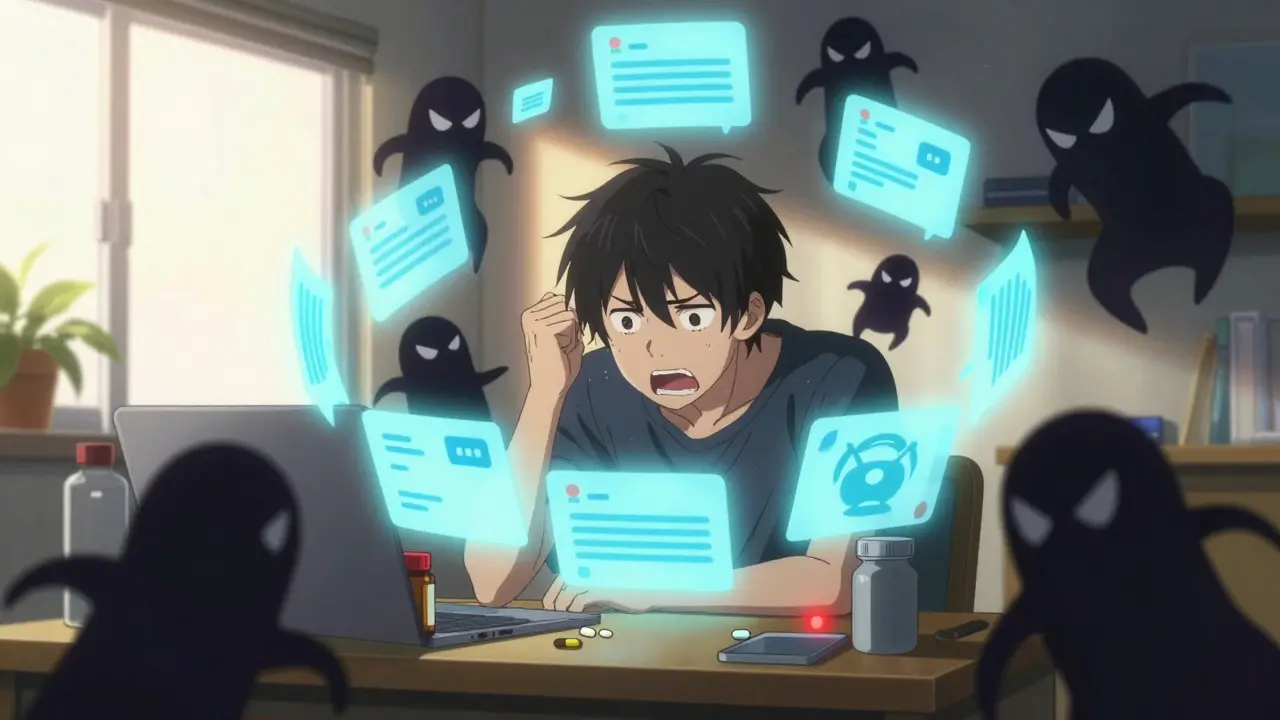
Half of all people with chronic conditions forget to take their medicine at least sometimes. It’s not just a bad habit; it costs the healthcare system billions annually in avoidable hospital visits. You might think setting an alarm on your phone is enough, but standard alarms get snoozed, ignored, or buried under notifications. To actually improve medication adherence, you need a system that fits your life, not one that fights against it.
The Core Components of Effective Reminder Systems
Modern medication reminder tools have evolved far beyond simple digital clocks. They are complex systems designed to bridge the gap between prescription instructions and actual behavior. At their heart, these systems rely on several technical pillars working together. First, they use multi-channel notification systems. This means you don’t just get a push notification; you might receive an SMS, an email, or even a voice call if the first alert is missed. Research from the *Journal of Medical Internet Research* (2022) shows that combining push notifications with SMS increases adherence by 87% compared to using a single channel.
Second, these apps connect to vast medication databases like RxNorm, which contains over 350,000 drug entries. This integration is crucial because it reduces input errors. When you type in your medication manually, typos happen. By cross-referencing with established databases, the app ensures you’re tracking the right drug, dose, and frequency. Third, security is non-negotiable. Your health data is sensitive. Reputable systems use HIPAA-compliant encryption, such as AES-256, and often require biometric login via Face ID or Touch ID to protect your records.
Finally, interoperability is becoming the gold standard. Newer systems integrate with Electronic Health Records (EHRs) using standards like HL7 FHIR. This allows your doctor or pharmacist to see your adherence patterns directly, creating a feedback loop that can adjust your treatment plan in real-time. Without these components, a reminder app is just another thing cluttering your screen.
Choosing the Right Platform for Your Needs
Not all medication apps are created equal. The market is crowded, but a few stand out based on specific strengths. If you are managing multiple medications and want deep insights into your habits, Medisafe is a leading medication management app known for its AI-driven adherence engine. Founded in 2012, it analyzes over 27 behavioral variables to predict when you might miss a dose. However, it lacks direct pharmacy integration, meaning you still have to manually track refills.
| Platform | Key Strength | Limitation | Cost Model |
|---|---|---|---|
| Medisafe | AI personalization & pattern analysis | No direct pharmacy refill links | Free / $29.99/year Premium |
| Mango Health | Retail pharmacy connectivity | Limited caregiver features | Free |
| MedAdvisor | Seamless prescription transfers | Advanced analytics locked behind partnerships | Free (Pharmacy-linked) |
| Round Health | Superior Apple Health integration | iOS only, no Android support | $3.99/month |
| CareZone | Comprehensive family management | Weaker medication database accuracy | Free |
If you prefer a hands-off approach to refills, Mango Health connects with over 65,000 U.S. pharmacies. This means when your prescription is ready, the app knows. MedAdvisor, popular in Australia and New Zealand, excels at transferring prescriptions automatically but restricts some advanced analytics. For Apple users who live in the ecosystem, Round Health offers tight integration with Apple Health, though it leaves Android users behind. CareZone is ideal if you are managing medications for an entire family, but be aware that its medication database has a slightly lower accuracy rate (92.3%) compared to the industry average.
Step-by-Step Setup for Success
Setting up your system correctly is half the battle. A rushed setup leads to silent failures-where the app runs but never alerts you. Here is how to do it right:
- Verify Time Zones Immediately: This sounds obvious, but time zone errors cause 22% of early-stage failures. Ensure your phone’s location services are enabled so the app can adjust for Daylight Saving Time automatically. If you travel frequently, check this setting before every trip.
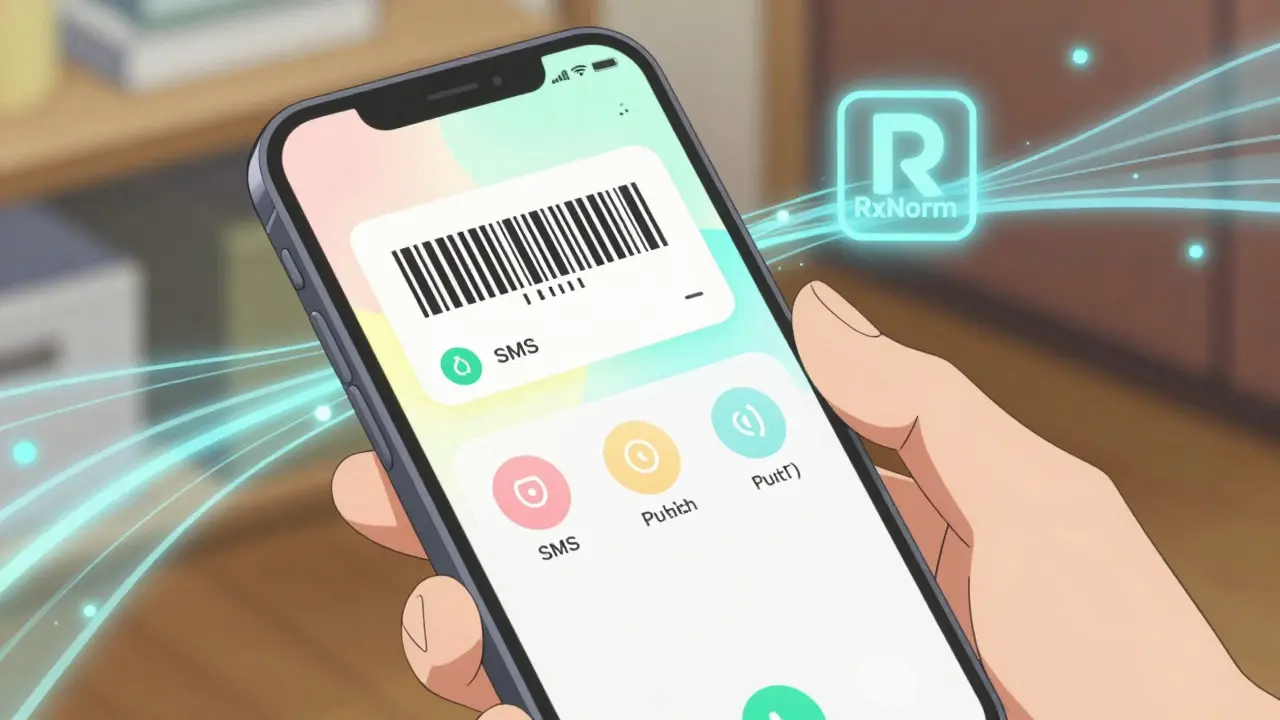
- Use Barcode Scanning: Don’t type in your meds. Use the app’s camera to scan the bottle. This reduces input errors by 83%. It also pulls in the correct dosage and frequency from the RxNorm database, saving you 12-28 minutes of manual entry.
- Configure Notification Channels: Test every alert type. Start with a silent vibration, then escalate to audio, and finally set up a caregiver alert if you haven’t confirmed the dose after a certain period (e.g., 47 minutes). Studies show this staggered escalation reduces missed doses by 63%.
- Set Up Caregiver Access: If someone helps you, give them permission tiers. Most apps offer view-only, edit schedules, or emergency override. This ensures they can step in if you are incapacitated without having full control over your daily routine.
- Establish Refill Protocols: Link your pharmacy account if possible. Set alerts for when you are down to three days’ worth of medication. This prevents the panic of running out mid-week.

Troubleshooting Common Pitfalls
Even the best systems fail if they don’t account for human behavior. One major issue is alert fatigue. If you take more than ten medications (polypharmacy), you might get overwhelmed by constant buzzing. University of Pittsburgh research found that 38% of users with complex regimens experience this fatigue. The solution? Group your reminders. Instead of five separate alerts, create one "Morning Medication" block and one "Evening Medication" block. This simplifies the cognitive load.
Battery drain is another common complaint. Background location services and frequent vibrations can eat up 15% of your battery daily. To mitigate this, disable unnecessary background refreshes for other apps and ensure your medication app is allowed to run in the background without restriction. Also, consider using a physical backup. For seniors or those less tech-savvy, a compartmentalized pillbox with an alarm, like Hero Health’s dispensing robot, achieved 82% adherence in recent surveys, compared to 67% for smartphone apps alone. Combining both-a digital tracker for oversight and a physical box for storage-can be the most robust strategy.
Another pitfall is false adherence reporting. Just because you tapped "Taken" doesn’t mean you swallowed the pill. Some advanced apps now use visual confirmation, requiring you to take a photo of the pills or use your camera to verify ingestion. This cut false reports by 89% in Stanford Medicine studies. If your app supports this, turn it on. It adds a second of friction but significantly boosts accuracy.
Future Trends and Expert Insights
The landscape of medication adherence is shifting toward predictive intelligence. We are moving from reactive reminders to proactive interventions. IBM Watson Health’s prototypes, for instance, aim to predict missed doses up to 72 hours in advance by analyzing behavioral patterns. Imagine getting a nudge on Tuesday because the system predicts you’ll be too busy on Thursday to remember your evening dose.
Wearable integration is also gaining traction. If your smartwatch detects abnormal vitals, like high blood pressure, it could trigger a prompt to check if you missed your antihypertensive medication. This contextual awareness makes the technology feel less like a nagging parent and more like a helpful partner. However, experts like Dr. Tessa Chatham at Johns Hopkins warn against over-relying on digital solutions for low-tech populations. Simplified interfaces, like Pillo’s "Angry Pill Box" character, have been shown to reduce setup abandonment by 58% among seniors. Design matters.
Regulatory pressures are also tightening. With CMS mandating adherence tracking for Medicare Part D plans starting in 2025, expect more rigorous validation of these tools. Look for apps that cite compliance with standards like 42 CFR § 423.258. This ensures your data is not only secure but also useful for your healthcare providers.
How much does a good medication reminder app cost?
Most basic medication reminder apps are free. Premium versions, like Medisafe, typically cost around $29.99 per year. These paid tiers usually offer advanced features like AI-driven insights, detailed adherence reports, and priority customer support. Free apps may rely on ads or limited functionality, such as lacking direct pharmacy integration.
Do medication reminder apps work for elderly users?
Yes, but with caveats. While 29% of users over 65 use these apps, adoption is lower than in younger demographics due to interface complexity. Apps with simplified designs, large text, and optional gamification perform better. Physical devices like automated pill dispensers often achieve higher adherence rates (82%) in this group compared to smartphone-only solutions (67%). Combining both technologies is often the most effective strategy.
What should I do if I keep missing my alarms?
First, check your notification permissions. Ensure the app is allowed to send alerts and play sound even when your phone is on silent. Second, implement staggered escalation. Set the app to vibrate first, then ring loudly, and finally notify a caregiver if you haven’t responded within 45-60 minutes. Third, consider grouping medications into fewer, larger blocks to reduce alert fatigue.
Are medication reminder apps secure?
Reputable apps use HIPAA-compliant encryption (AES-256) and biometric login options like Face ID or Touch ID. They maintain audit logs of data access. Always check the app’s privacy policy and look for mentions of HIPAA compliance or GDPR adherence. Avoid sharing your login credentials and enable two-factor authentication if available.
Can these apps help with prescription refills?
Some apps, like Mango Health and MedAdvisor, integrate directly with pharmacy networks to automate refill requests. Others provide manual reminders when you are running low. If automatic refills are important to you, choose an app that explicitly lists partnerships with major pharmacies like CVS, Walgreens, or local chains in your area.


Katie Caruthers
July 22, 2026 AT 22:30