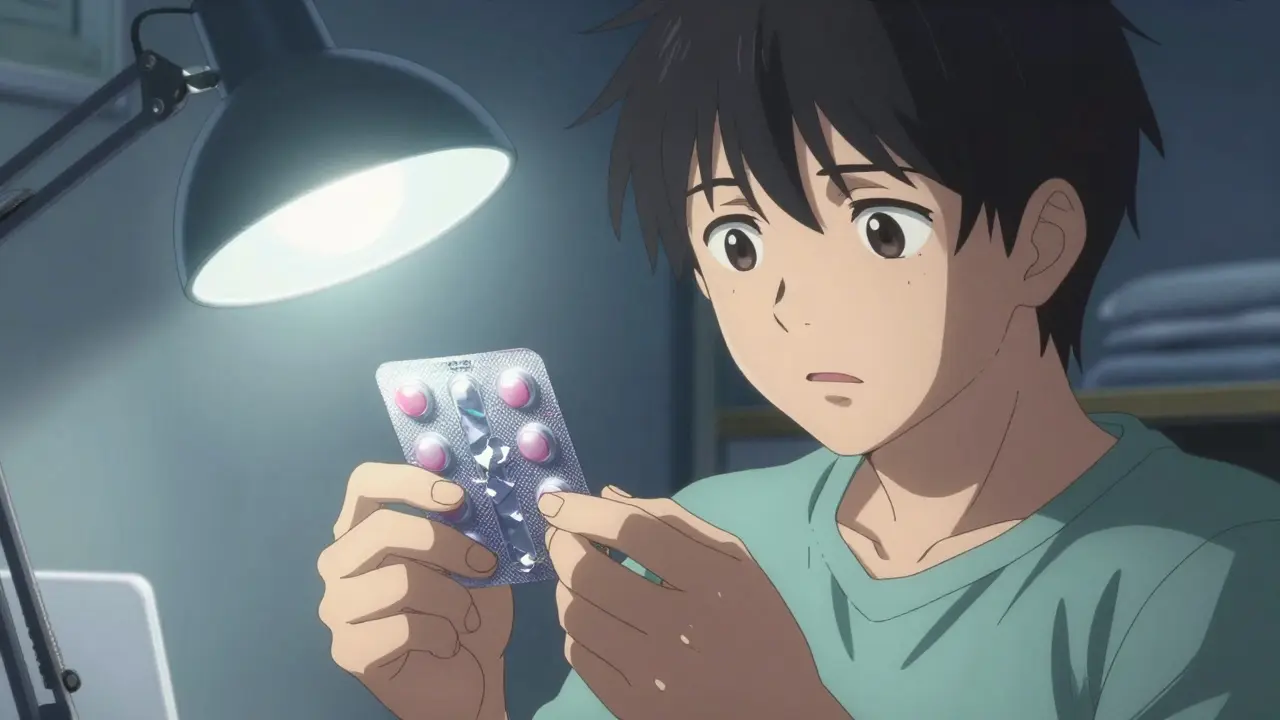
Imagine popping a pill for your high blood pressure, only to realize weeks later that it contains nothing but chalk and cornstarch. Or worse, that it’s laced with an industrial chemical meant to mimic the effect of a painkiller. This isn’t a scene from a thriller; it is a growing reality for millions of people worldwide. The World Health Organization (WHO) defines counterfeit medications as products deliberately and fraudulently mislabeled regarding their identity or source. Unlike substandard medicines, which are made poorly due to manufacturing errors, counterfeits are crafted intentionally to deceive you for profit.
The stakes have never been higher. In the United States alone, the Centers for Disease Control and Prevention (CDC) reported approximately 12,000 deaths annually linked to counterfeit opioids containing fentanyl as of 2023. Globally, Interpol noted a 40% increase in counterfeit drug seizures between 2019 and 2022. While these drugs make up about 1% of the supply in developed nations like the UK and US, they can reach 30% in some developing regions. Knowing what to look for-both in the packaging and in your body-is not just good practice; it can save your life.
Physical Red Flags: Inspecting Your Medication
Before you even swallow a pill, there are often visible clues that something is wrong. Legitimate pharmaceutical companies invest heavily in quality control, meaning their products look and feel consistent. Counterfeiters, however, cut corners. Amy Callanan, Pfizer’s Global Intelligence Lead, points out that spelling errors on labels are among the most noticeable mistakes. In fact, 78% of verified counterfeits examined by Pfizer between 2020 and 2022 contained at least one misspelled word.
Here is what you should check visually:
- Packaging Anomalies: Look for mismatched color schemes, inconsistent font sizes, or missing security holograms. The FDA’s April 2023 advisory on counterfeit Muro 128 ophthalmic products highlighted these exact issues.
- Pill Appearance: Tablets should be uniform. If pills are cracked, have a bubbled-up coating, or are crumbly, they may be fake. The Therapeutic Goods Administration (TGA) of Australia notes that any variation in size, weight, color, or embossing could indicate forgery, as legitimate meds adhere to strict precision tolerances (±5%).
- Expiry Dates: Altered expiry dates were found in 63% of counterfeit cases analyzed by the UK’s Medicines and Healthcare products Regulatory Agency (MHRA) in 2021. Check for signs of tampering, such as breaks in sealing tape or stickers that don’t align perfectly.
- Security Features: Many modern medications include color-shifting inks or microscopic markers. If your previous prescription had these and your current one does not, do not take it.
Physiological Symptoms: When Your Body Reacts
If the packaging looks suspicious, or if you simply feel off after taking your medication, pay close attention to your body’s signals. The symptoms of taking counterfeit meds generally fall into three categories: ineffectiveness, unusual side effects, and acute toxicity.
1. Complete Lack of Effect
The most common symptom is simply that the medicine doesn’t work. Eli Lilly reported that 89% of counterfeit medication complaints in 2022 involved patients experiencing a "complete lack of therapeutic effect" despite proper dosing. If you have taken the same blood pressure med for years and suddenly your readings spike, or if your allergy pills no longer stop the sneezing, suspect the authenticity of the batch.
2. Unusual or New Side Effects
You know how your body reacts to your regular prescriptions. If you start experiencing side effects you’ve never had before, this is a major red flag. The FDA’s 2023 Counterfeit Medicine Alert states that 74% of verified counterfeit cases involved patients reporting new or unusual side effects. This happens because counterfeit pills often contain unknown fillers, incorrect doses of active ingredients, or entirely different substances.
3. Signs of Overdose or Poisoning
This is the most dangerous scenario. Counterfeit pills, particularly those mimicking prescription opioids or stimulants, may contain lethal amounts of synthetic drugs like fentanyl or methamphetamine.
| Drug Type | Potential Contaminant | Key Symptoms |
|---|---|---|
| Opioids (e.g., Oxycodone) | Fentanyl | Coma, pinpoint pupils, respiratory depression (slow breathing), unconsciousness within 15-30 minutes. |
| Stimulants (e.g., Adderall) | Methamphetamine | Heart rate >120 BPM, blood pressure >180/110 mmHg, hyperthermia (>104°F/40°C), extreme wakefulness. |
| Antimalarials/Antibiotics | Toxic Contaminants | Nausea, vomiting, organ damage, severe allergic reactions. |
The DEA’s laboratory analysis revealed that 26% of seized counterfeit pills in 2021 contained a lethal dose of fentanyl. If you or someone else experiences difficulty breathing, extreme drowsiness, or confusion after taking a pill, call emergency services immediately.

The Online Pharmacy Trap
Where you buy your medication matters more than you might think. The rise of e-commerce has made it easier for criminals to sell fake drugs directly to consumers. The DEA warns that 96% of websites selling prescription drugs operate illegally, and 89% of those distribute counterfeit products containing dangerous substances.
Be wary of sites that:
- Do not require a valid prescription.
- Offer prices significantly lower than local pharmacies.
- Lack physical contact information or licensed pharmacist details.
- Send packages from unexpected countries without clear shipping documentation.
In the UK, always check if an online pharmacy is registered with the General Pharmaceutical Council (GPhC). In the US, look for the VIPPS seal (Verified Internet Pharmacy Practice Sites).
How to Verify Your Medication
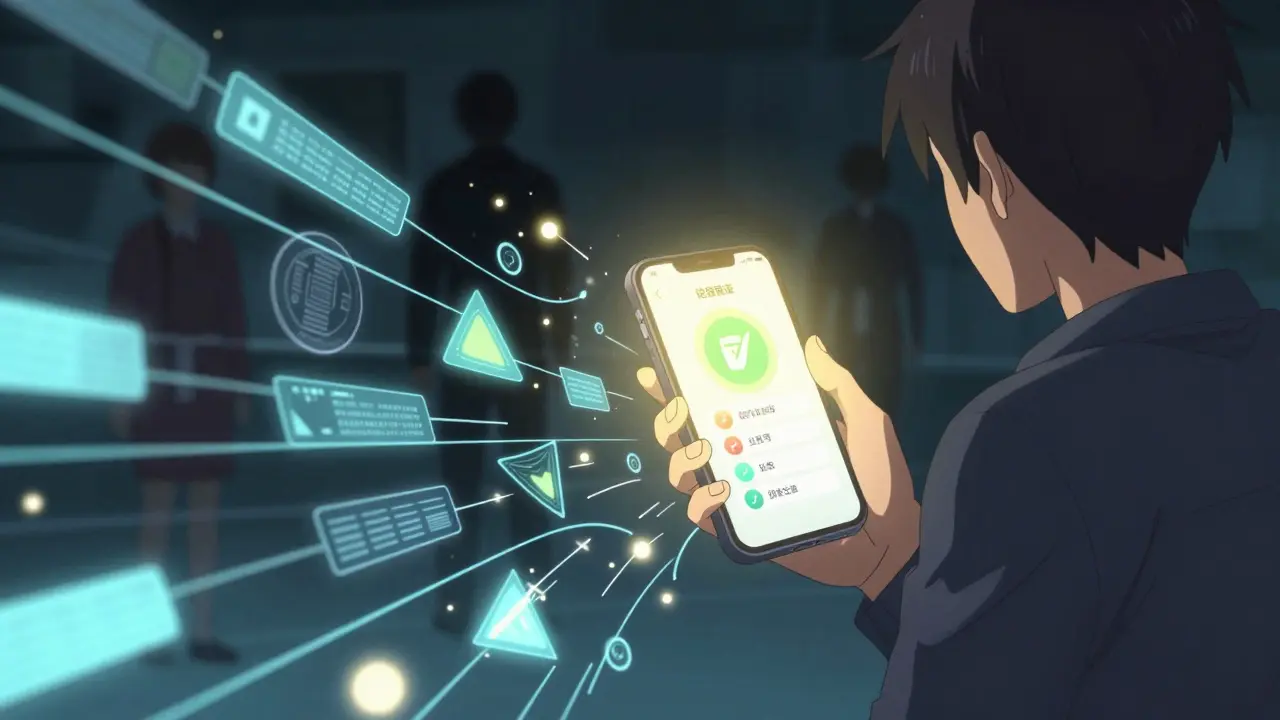
If you suspect your medication is counterfeit, do not ignore it. Laboratory testing is the only way to confirm 100% authenticity, as noted by Pfizer experts. However, you can take immediate steps to verify and protect yourself.
- Check the Lot Number: Pharmaceutical companies maintain databases of known counterfeit lot numbers. Eli Lilly, for example, documented 147 counterfeit lot numbers across 22 products in 2022. Visit the manufacturer’s website or call their toll-free number to check if your specific lot is flagged.
- Contact Your Pharmacist: Pharmacists are trained to spot anomalies. They can compare your medication against reference samples and check inventory systems. The FIP’s 2020 guidance advises pharmacists to interrogate patient medication records (PMR) to identify other patients who may have received the same batch.
- Report It: In the US, report suspected counterfeits to the FDA via MedWatch. In the UK, report to the MHRA. These reports help authorities track trends and issue alerts. Between 2020 and 2023, the FDA received 347 verified reports of adverse reactions to suspected counterfeits, helping to shut down illegal operations.
- Compare with Previous Refills: Keep an old box or photo of your genuine medication. Compare the color, shape, taste, and smell of your new refill. Any deviation warrants investigation.
Real-World Consequences
The impact of counterfeit drugs is not theoretical. In April 2023, the FDA issued an alert after 17 patients suffered severe eye irritation and vision impairment from counterfeit Muro 128 ointment. In another case, a 2021 DEA investigation linked 977 fentanyl-related overdose deaths in teenagers who believed they were taking legitimate prescription pills. Autopsies confirmed illicit fentanyl in 92% of those cases.
These stories highlight why vigilance is crucial. A single phone call from a suspicious wholesaler in 2007 led the MHRA to intercept 15,000 packs of counterfeit cancer medicine, potentially saving hundreds of lives. You have the power to be part of that defense chain.
What are the first signs that a medication might be fake?
The first signs are often visual: spelling errors on the label, mismatched colors, broken seals, or pills that are crumbly, cracked, or discolored. Physically, the first sign is usually that the medication fails to provide its expected therapeutic effect.
Can counterfeit pills kill you?
Yes. Counterfeit opioids often contain fentanyl, which is 50-100 times more potent than heroin. Even a small amount can cause respiratory failure and death. Stimulant counterfeits may contain methamphetamine, leading to heart attacks or strokes.
How can I check if my prescription pill is authentic?
You can check the lot number on the bottle against the manufacturer’s database. Contact your pharmacist to compare the pill with known samples. Additionally, use official verification tools provided by pharmaceutical companies, such as those offered by Eli Lilly or Pfizer.
Is it safe to buy medications from online pharmacies?
Only if they are licensed and regulated. The DEA reports that 96% of websites selling prescription drugs operate illegally. Always verify that the site requires a valid prescription and is accredited by bodies like the GPhC in the UK or VIPPS in the US.
What should I do if I suspect I took a counterfeit drug?
Stop taking the medication immediately. Save the packaging and remaining pills. Contact your doctor or pharmacist for medical advice. Report the incident to regulatory agencies like the FDA or MHRA to help prevent others from being harmed.