Vaccine Safety: What You Need to Know About Risks, Myths, and Real Protection
When we talk about vaccine safety, the system of monitoring, research, and public communication that ensures vaccines protect without causing undue harm. Also known as immunization safety, it's not about eliminating all risk—it's about making sure the benefits far outweigh any possible harm. Every vaccine approved for use has gone through years of testing, millions of doses tracked, and constant review by health agencies worldwide. But that doesn't stop confusion. Many people worry about side effects they read online, while others dismiss real concerns because they’ve heard "vaccines are perfectly safe"—a phrase that sounds reassuring but doesn’t help when you’re trying to make a personal decision.
What most people don’t realize is that vaccine side effects, the expected, temporary reactions like sore arms, low fever, or fatigue are not the same as vaccine adverse events, rare, serious reactions that happen after vaccination but aren’t necessarily caused by it. A fever after a shot? Common. A seizure days later? Extremely rare—and often unrelated. The CDC and WHO track every reported event, then dig deep to find out if it’s truly linked. Most aren’t. But when they are, like the very small risk of myocarditis in young men after mRNA vaccines, that data gets published, explained, and used to update guidance. That’s how safety works—not by pretending risks don’t exist, but by measuring them honestly.
Then there’s the noise. Social media amplifies anecdotes. One story about a child getting sick after a vaccine spreads faster than data from 10 million others who didn’t. That’s why understanding vaccine efficacy, how well a vaccine prevents disease in real populations matters more than fear. Measles vaccines are 97% effective after two doses. Polio vaccines stopped a global epidemic. HPV vaccines cut cervical cancer rates by over 90% in young women in countries with high coverage. These aren’t guesses. They’re tracked, published, and verified. Meanwhile, the risk of serious harm from vaccines? Far lower than the risk of getting struck by lightning in your lifetime.
And what about misinformation? It doesn’t vanish because you say it’s false. It grows when people feel unheard. That’s why the best approach isn’t to shout down concerns—it’s to answer them clearly. If you’re worried about ingredients, know that aluminum in vaccines is less than what’s in breast milk or infant formula. If you’re scared of long-term effects, understand that vaccines don’t stay in your body—they train your immune system and are gone in days. No vaccine has ever caused autism. No vaccine has ever altered DNA. These aren’t opinions. They’re conclusions from decades of global research.
What you’ll find below isn’t a list of every vaccine ever made. It’s a curated collection of real, practical guides that cut through the noise. You’ll see how to spot false claims, what to do if you think you had a reaction, how to talk to hesitant family members, and why some people still get sick even after being vaccinated. These aren’t abstract theories. They’re answers from people who’ve been there—patients, nurses, doctors, and parents who asked the same questions you’re asking now. This isn’t about convincing you. It’s about giving you the facts so you can decide for yourself—with confidence, not fear.
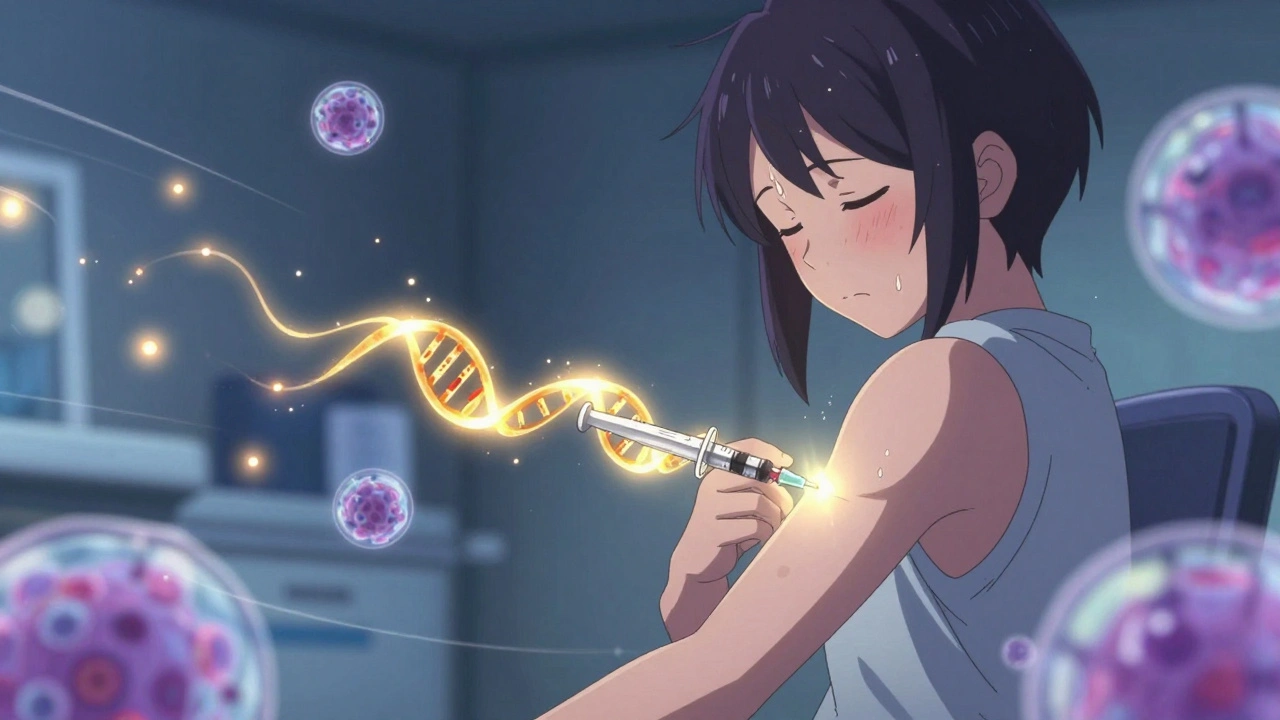
mRNA Therapeutics: Side Effects and Post-Approval Monitoring
mRNA therapeutics offer rapid, targeted treatment for diseases like cancer and COVID-19, but they come with known side effects like fatigue and rare myocarditis. Post-approval monitoring systems track safety in real time, ensuring risks are understood and minimized.
Read more