Senior Medications: Safe Choices, Common Risks, and What to Ask Your Doctor
When you’re over 65, senior medications, drugs prescribed to older adults to manage chronic conditions like high blood pressure, diabetes, or arthritis. Also known as geriatric medications, they’re often taken in combination—sometimes five or more at once. This isn’t just common, it’s expected. But what’s routine isn’t always safe. As your body changes, so does how it handles drugs. Your liver and kidneys don’t process medications the way they used to. That means a dose that was fine at 50 can become dangerous at 75. Many seniors end up on drugs that don’t actually help anymore—or worse, cause new problems like falls, confusion, or kidney damage.
polypharmacy, the use of multiple medications at the same time is the biggest hidden risk. It’s not the number of pills alone—it’s the interactions. Take a blood pressure drug, a sleep aid, and an antacid, and suddenly you’re dizzy every morning. Or worse, you start forgetting to take your heart meds because you’re too confused. That’s not aging—it’s a medication problem. deprescribing, the process of safely stopping or reducing unnecessary medications isn’t a buzzword—it’s a medical necessity. Studies show that up to 30% of drugs taken by seniors have no clear benefit, and many cause more harm than good. The goal isn’t to stop everything—it’s to stop what doesn’t belong.
And it’s not just about what’s on the list. It’s about what’s missing. Many seniors take aspirin daily for heart health, but if they’re also on blood thinners, that’s a silent danger. Or they use NSAIDs for joint pain, not realizing those can wreck their kidneys or trigger heart failure. Even supplements like echinacea or ginkgo can clash with prescriptions. Your doctor might not ask about your vitamins. That’s on you. The pharmacy’s allergy alert? It’s often wrong. You need to be your own advocate.
What you’ll find in these posts isn’t theory—it’s real advice from people who’ve been there. How to check your prescription before leaving the pharmacy. What to do when a drug causes dizziness or memory lapses. Which common meds should be avoided after menopause. How to tell if that new pill is causing your headaches, not your arthritis. You’ll see how one combo—tetracycline and isotretinoin—can cause permanent vision loss. How grapefruit juice turns a harmless statin into a toxic dose. How swallowing pills gets harder with age, and what to do about it.
This isn’t about scaring you. It’s about giving you control. Senior medications don’t have to be a guessing game. With the right questions, the right checks, and the right alternatives, you can cut the clutter, reduce the risks, and feel better—not just survive, but live well.

How to Reduce Pill Burden with Combination Medications for Seniors
Combination medications reduce pill burden for seniors by merging multiple drugs into one pill, improving adherence, lowering side effects, and cutting costs. Learn how they work and how to ask your doctor about switching.
Read more
How to Use Home Health Services for Medication Management
Home health services for medication management help seniors take their pills safely, avoid dangerous interactions, and prevent hospital visits. Learn how these services work, who qualifies, and what to look for in a provider.
Read more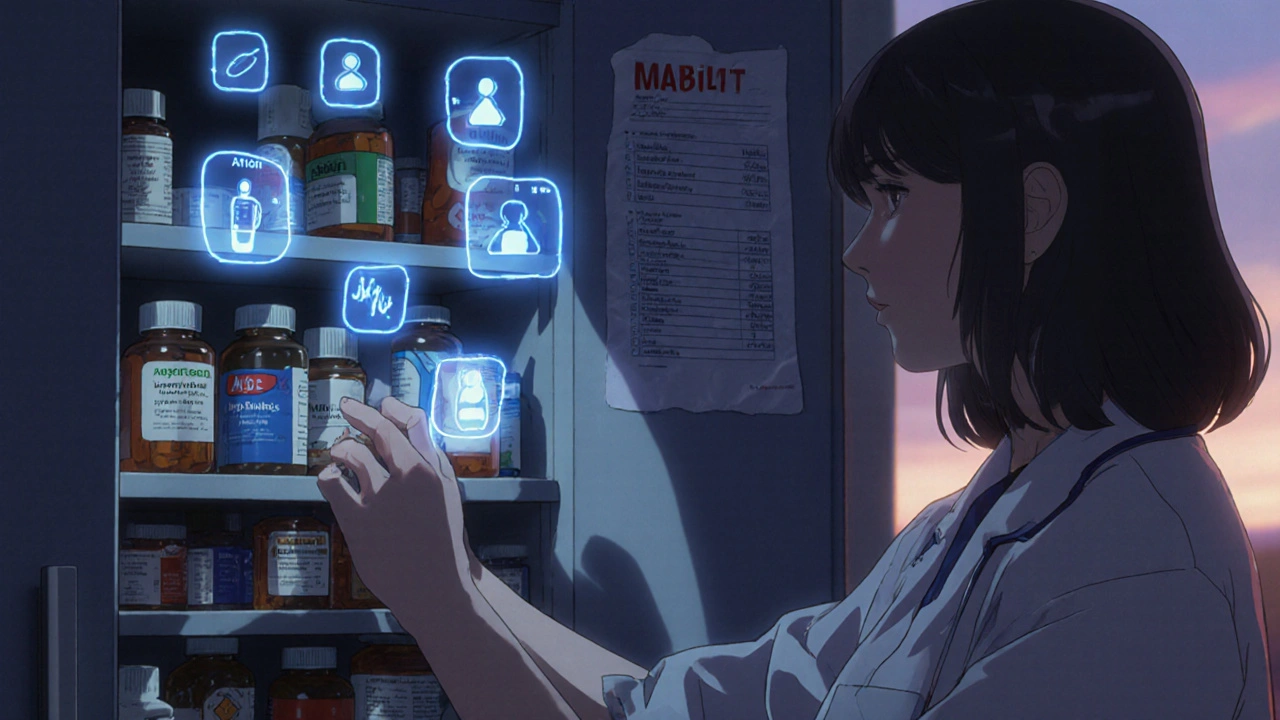
How to Organize a Medication List for Caregivers and Family
A clear, updated medication list prevents dangerous errors, hospital visits, and even deaths in seniors taking multiple drugs. Learn exactly what to include, how to organize it, and how to keep it current.
Read more